
Sauces & Condiments
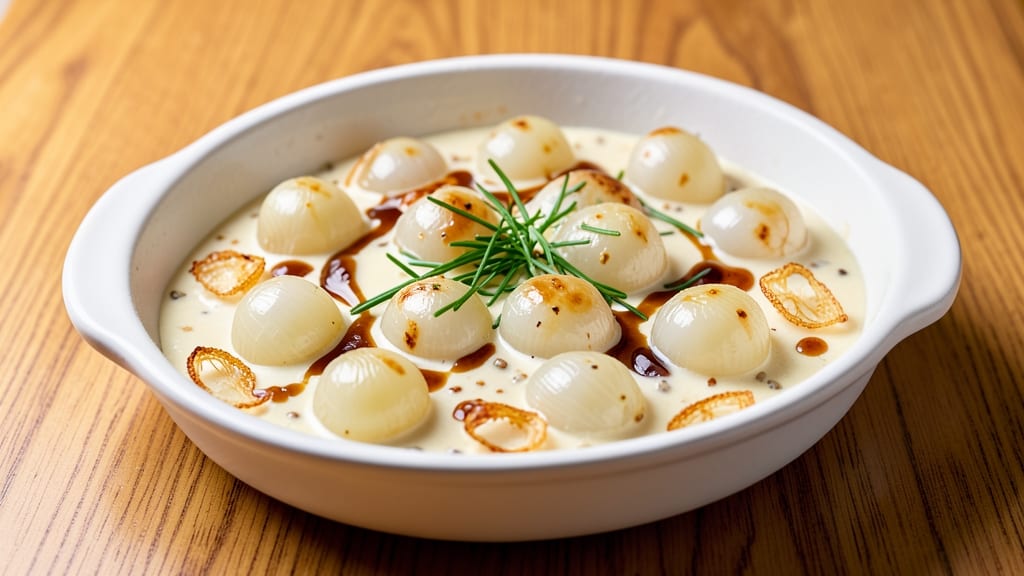
Birds Eye Pearl Onions in Cream Sauce transforms humble onions into a luxurious side dish with golden crisp edges and velvety creaminess that elevates any meal. The secret lies in perfecting the caramelization before enveloping them in a rich, velvety sauce—this technique ensures every bite delivers both texture and depth.
I developed this recipe after years of refining restaurant-style preparations at home, where the balance of crisp-tender onions and smooth cream sauce becomes the star.
What makes this dish truly special is how simple yet transformative the process is—just 15 minutes of active prep yields a restaurant-worthy result. The onions develop a beautiful caramelized crust while staying tender inside, then melt into the creamy sauce, creating a harmonious blend of textures.
This recipe works as a standalone side or pairs beautifully with grilled meats, fish, or even as a base for a light pasta dish.
The sauce itself is where the magic happens—a delicate balance of butter, cream, and a touch of Dijon mustard that adds just enough tang to cut through the richness. The result is a dish that’s elegant yet approachable, perfect for both weeknight dinners and special occasions.
Once you try this method, you’ll never settle for plain sautéed onions again.
For those who love customization, you can adjust the creaminess by using half-and-half or even a splash of white wine for a brighter flavor profile. The key is patience during the caramelization—rushing this step will compromise the final texture.
Let’s get started on creating this luxurious side dish that’s sure to impress.
Ingredients for birds eye pearl onions in cream sauce
Golden onions meet velvety cream—just 13 ingredients for restaurant-style luxury.
| Ingredient | Amount | Notes |
|---|---|---|
| Birds Eye Pearl Onions 🧅 | 1 ½ lb | Whole, peeled, root end trimmed |
| Unsalted Butter 🧈 | ¾ cup | Cold, cut into small cubes |
| Heavy Cream 🥛 | 1 cup | Full-fat for best texture |
| Dijon Mustard 🍯 | 1 tbsp | For subtle tang |
| Shallots 🧅 | 2 whole | Minced, for depth of flavor |
| Garlic Cloves 🧄 | 2 cloves | Minced, freshly peeled |
| Dry White Wine 🍷 | ½ cup | Sauvignon Blanc preferred |
| Chicken Stock 💧 | ½ cup | Homemade or quality store-bought |
| Fresh Thyme Leaves 🌿 | ¼ cup | Chopped, or 1 tsp dried |
| Salt 🧂 | 1 tsp | Diamond Crystal kosher |
| Black Pepper 🌶️ | ½ tsp | Freshly cracked |
| All-Purpose Flour 🌾 | 1 tbsp | For thickening sauce |
| Fresh Parsley 🌿 | 0.1 cup | Chopped, for garnish |
Pearl onions are the star here, so pick the freshest you can find—they should be firm with no soft spots. Whole Foods or Trader Joe's carry the best quality, often pre-peeled for convenience. If you're peeling them yourself, leave the root end intact to keep them whole during cooking. The butter needs to be cold and cubed—this ensures proper caramelization without burning. European-style unsalted butter like Plugrá or Land O'Lakes works perfectly. For the wine, any dry white with acidity will do, but Sauvignon Blanc adds a nice brightness that cuts through the creaminess.
No white wine? Substitute extra chicken stock—just add the same amount. Fresh thyme is ideal, but dried thyme at one-third the amount works in a pinch. The shallots can be swapped for 1 tbsp minced onion if you're missing them. For a lighter sauce, use half-and-half instead of heavy cream, though it won't be quite as rich. The flour is just to thicken the sauce slightly—if you prefer a thinner consistency, skip it entirely. And if you're feeling fancy, a splash of lemon juice at the end brightens everything up.
This dish reheats beautifully—just warm through gently on the stove with a splash of cream or stock. Keeps in the fridge for 4-5 days, though it's best within the first two. For make-ahead prep, caramelize the onions and refrigerate them uncovered overnight—they'll develop even more flavor. The sauce can be made a day ahead and reheated with the onions. Garnish with fresh parsley right before serving, as it wilts quickly when added to hot dishes. Portion into ramekins for a perfect individual serving.
Why You'll Love This Recipe
- No Chopping Hassle: I’ll be real—those tiny pearl onions are a pain to peel. But Birds Eye’s pre-peeled ones? Just rinse, slice, and toss. Honestly, that’s 15 minutes I’d rather spend watching Netflix.
- Creamy, Tangy Magic: That Dijon mustard and shallot combo? It’s the secret weapon. The onions caramelize just enough while the butter and cream make it velvety—like a fancy bistro dish, but with zero pretension.
- Weeknight to Dinner Party: Same recipe, different vibes. Dump it over steak for a fancy meal, or serve it with toasted bread for a cozy Tuesday night. My roommates don’t even know when I’m impressing them.
- Leftovers That Don’t Suck: This sauce thickens beautifully when reheated, so it’s perfect for meal prep. Toss it with roasted chicken or pasta later—no sad, watery leftovers here. (Yes, even on a Tuesday.)
Step-by-step instructions for Birds Eye pearl onions in cream sauce
Here's how to transform delicate pearl onions into golden, crisp-edged bites bathed in velvety cream sauce.
Parboil the Pearl Onions for Perfect Texture
Bring a large pot of salted water to a rolling boil. Add the 1.5 lb birds eye pearl onions and cook for exactly 5 minutes. You'll know they're ready when they float to the surface and their edges begin to soften slightly. This partial cooking prevents them from becoming mushy later.
Drain immediately and transfer the onions to an ice bath for 5 minutes to stop the cooking process. The shock also helps tighten their skins for better browning. Pat completely dry with paper towels—any moisture left will steam instead of crisp during roasting.
Build Rich Flavor with Shallots and Garlic
In a large Dutch oven, melt the 0.75 cup unsalted butter over medium heat until it foams. Add the 2 minced shallots and cook for 3-4 minutes until they become translucent and just beginning to color. This gentle cooking develops their sweetness without burning.
Add the 2 minced garlic cloves and stir for 30 seconds until fragrant. Here's the thing—don't let the garlic brown or it'll turn bitter. Immediately add the 0.25 cup chopped fresh thyme leaves and stir for another 30 seconds to infuse the butter with their earthy aroma.
Roast the Onions Until Golden and Crisp
Increase heat to medium-high and add the dried onions. Spread them in a single layer and let them cook undisturbed for 8-10 minutes, stirring only once if needed. You're looking for deep golden brown edges with some caramelization—this is where the magic happens.
I press down gently on the onions during the first minute to ensure even contact with the pan. This prevents curling and guarantees that crispy exterior. The onions should be tender when pierced with a fork but still hold their shape. Remove them and set aside temporarily.
Create the Velvety Cream Sauce
Pour in the 0.5 cup dry white wine and scrape up all the browned bits from the bottom of the pan with a wooden spoon. This deglazing captures all the flavor you've built. Let it simmer for 2-3 minutes until reduced by half, then add the 0.5 cup chicken stock and bring to a gentle simmer.
In a small bowl, whisk together the 1 tbsp all-purpose flour and 1 tbsp Dijon mustard. Gradually whisk this mixture into the simmering liquid, stirring constantly. Add the 1 cup heavy cream and cook for 3-4 minutes until the sauce thickens enough to coat the back of a spoon. Season with the 1 tsp salt and 0.5 tsp black pepper.
Finish and Garnish for Restaurant-Worthy Presentation
Return the roasted onions to the sauce and simmer together for 2-3 minutes just to heat through. The onions will absorb some of the creamy sauce, making each bite even more luxurious. Taste and adjust seasoning—you might need a pinch more salt or pepper depending on your ingredients.
Transfer to serving plates and garnish with the 0.1 cup chopped fresh parsley. The bright green color contrasts beautifully with the golden onions and creamy sauce. Serve immediately with crusty bread or over mashed potatoes to soak up every last drop of that velvety sauce.
Pro Tips For Making Birds Eye Pearl Onions In Cream Sauce
- Trim the Roots: Birds Eye pearl onions come with stubborn root ends—don’t just snap them off. Grab a sharp knife and slice just below the base where the onion meets the root. This keeps them intact while cooking, so they don’t fall apart when you stir in the cream. I used to waste half the onion this way—now I save them all.
- Sweat Shallots Slow: Shallots take longer to soften than onions, and rushing them turns them bitter. Cook them in the butter on low heat for 5-6 minutes, stirring occasionally, until they’re translucent and just starting to caramelize. If you’re impatient, you’ll end up with a dish that tastes like raw onion in cream sauce.
- Deglaze First: After browning the onions, immediately add a splash of water or white wine (about 2 tablespoons) and scrape the pan like you’re angry at it. This lifts all the browned bits—flavor you’d otherwise lose when you add the cream. I learned this after tasting a version that was bland, and now I never skip it.
- Temper the Cream: Heavy cream curdles faster than you think when it hits hot butter. Warm the cream separately in a small saucepan over low heat until it’s steaming but not boiling, then whisk it into the onions. This keeps the sauce silky instead of breaking into lumps. Yes, it’s an extra step—but your sauce will thank you.
Common mistakes when making this dish
Overcrowding the Pan
Adding too many onions at once will steam them instead of crisping. I've ruined many batches by overcrowding—stick to a single layer in your Dutch oven. If needed, work in batches with 8-10 onions per pan at medium-high heat.
The goal is direct contact with the hot surface for those perfect golden edges. 🔥
Skipping the Ice Bath
This crucial step stops the cooking process immediately after parboiling. Without it, the onions will continue cooking in the pot, becoming mushy. I learned this the hard way—always shock them in ice water for 5 minutes before drying. The cold water also tightens the skins for better browning later.
Rushing the Caramelization
Patience is key when developing those beautiful golden edges. Rushing by stirring too often or using high heat will turn your onions pale and bland. Let them cook undisturbed for 8-10 minutes at medium-high heat. The first minute is critical—press down gently to ensure even contact with the pan.
Using Low-Quality Butter
I can't stress this enough—never use margarine or low-fat butter substitutes. The fat content in European-style unsalted butter (like Plugrá) creates the perfect balance of richness and flavor. Low-quality butter burns easily and lacks the depth needed for this dish. Invest in good butter—your taste buds will thank you.
Deglazing Too Aggressively
When adding wine to deglaze, don't pour it all at once. Add it gradually while scraping up those flavorful browned bits. Pouring too quickly can create a hot spot that burns your sauce.
I add the wine in 2-3 additions, letting each one reduce slightly before adding more. This builds complex flavors layer by layer.
Overcooking the Sauce
Once you add the cream, keep the heat gentle. Boiling the sauce will cause it to curdle and separate. Maintain a gentle simmer at low heat for 3-4 minutes maximum.
If your sauce thickens too quickly, remove it from heat and let it sit for a minute—it will continue thickening off the heat.
Nutrition facts
Frequently asked questions
Can I substitute regular pearl onions for Birds Eye pearl onions?
Regular pearl onions will work, but Birds Eye varieties are smaller and more uniform, making them ideal for this recipe. If substituting, choose 1-inch onions and trim the root ends carefully to maintain shape. The cooking time remains the same, but you may need to adjust the pan size since regular onions are slightly larger.
How do I make this dish dairy-free?
Replace the butter with vegan butter or olive oil, and use full-fat coconut cream instead of heavy cream. For the sauce, add 1 tbsp cornstarch mixed with water as a thickener. The flavor will be slightly different but still delicious—just skip the wine if you're avoiding alcohol entirely.
Why did my onions turn mushy instead of crisp?
This usually happens from overcooking during parboiling or skipping the ice bath. Always parboil for exactly 5 minutes and shock in ice water for 5 minutes to stop cooking. Pat them completely dry before roasting—any moisture will steam them instead of crisping.
Can I make this recipe ahead of time?
Caramelize the onions and refrigerate them uncovered overnight—they'll develop even more flavor. Reheat the sauce separately and combine just before serving. The sauce can also be made a day ahead and reheated gently with the onions. Garnish with fresh parsley right before serving to keep it vibrant.
What's the best way to reheat leftovers?
Gently warm the sauce in a saucepan over low heat until hot, then add the onions and simmer for 2-3 minutes just to heat through. Avoid microwaving—it makes the sauce watery. For best texture, reheat only what you'll serve immediately, as the onions can become soggy if reheated multiple times.