
Sauces & Condiments
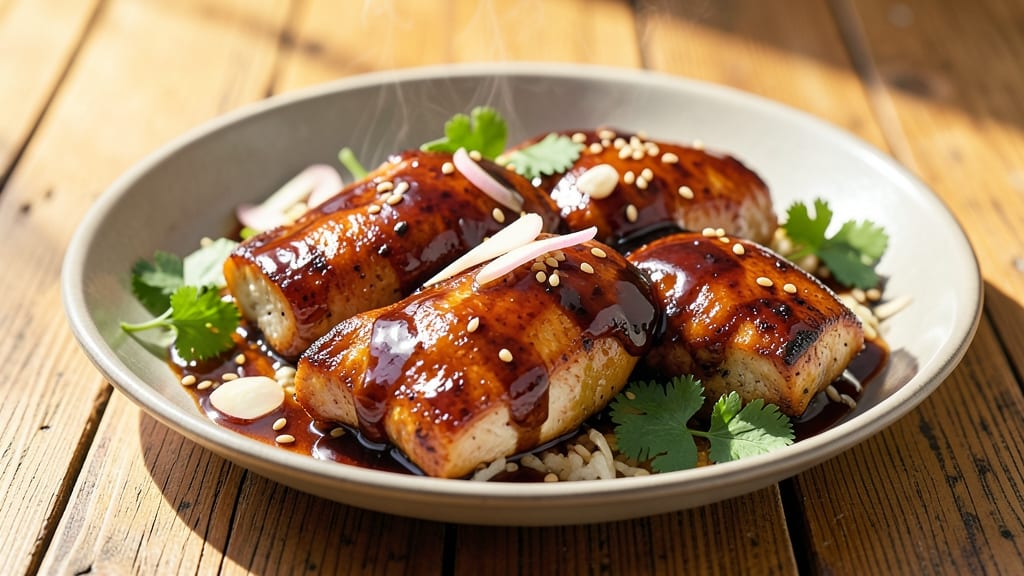
Betty Crocker's teriyaki sauce recipe transforms simple pantry staples into a restaurant-quality glaze that elevates grilled chicken, stir-fries, or glazed salmon. The secret lies in balancing sweetness with umami depth—using soy sauce, brown sugar, and a touch of ginger to create that signature tangy-sweet profile.
I developed this version after realizing store-bought sauces often lack the complexity of homemade, where you control the sugar-to-soy ratio for perfect harmony.
What makes this sauce special is its versatility—use it as a quick marinade for beef or pork, a sticky glaze for broiled fish, or even a dipping sauce for spring rolls.
The cornstarch slurry ensures the right thickness without graininess, while a splash of rice vinegar adds brightness that cuts through the richness. Unlike bottled versions, this sauce develops deeper flavor when simmered, rewarding patience with layers of taste.
The result is a glossy, aromatic sauce that caramelizes beautifully on high-heat proteins, creating those coveted crispy edges while keeping the meat tender inside. The ginger and garlic infuse warmth, while the molasses adds a subtle depth that makes this sauce unforgettable.
With just 10 minutes of active prep and 20 minutes of simmering, you'll have enough to coat a whole meal—or save half for next week's takeout night.
This recipe keeps the homemade promise without sacrificing convenience, using ingredients you likely already have. No specialty equipment needed—just a saucepan and a whisk. Whether you're glazing grilled shrimp or tossing it over rice, the difference between homemade and store-bought teriyaki becomes immediately clear in every bite.
Ingredients for betty crocker teriyaki sauce
Pantry staples elevate to restaurant-quality teriyaki with these 10 ingredients.
| Ingredient | Amount | Notes |
|---|---|---|
| Soy Sauce 🍶 | ½ cup | Low-sodium preferred for balance |
| Brown Sugar 🍚 | ½ cup | Packed firmly for accurate measure |
| Rice Vinegar 🍶 | ¼ cup | White or seasoned variety |
| Fresh Ginger 🌿 | 2 tbsp | Finely grated, aromatic quality |
| Garlic Cloves 🧄 | 4 cloves | Minced finely for depth |
| Molasses 🍯 | 1 tbsp | Unsulfured for authentic flavor |
| Cornstarch 🌾 | 1 tbsp | For smooth thickening |
| Water 💧 | ¼ cup | Room temperature preferred |
| Sesame Oil 🫒 | 1 tsp | Toasted sesame for aroma |
| Salt 🧂 | ½ tsp | Diamond Crystal preferred |
The soy sauce is your umami foundation—Kikkoman or Lee Kum Kee work best, but any good-quality brand does the trick. Brown sugar adds caramel depth, so grab the muscovado or dark variety if you want extra richness. Fresh ginger and garlic are non-negotiable here; organic ginger from the produce section has the most zing, and Costco's garlic bulbs save money while keeping flavor strong. For molasses, unsulfured is key—it's what gives this sauce that authentic depth store-bought versions miss. The cornstarch is simple but crucial: Bob's Red Mill is my go-to for smooth thickening without lumps.
No fresh ginger? Ground ginger at half the amount works in a pinch, though it lacks the same punch. Substitute garlic powder, but reduce to 1.5 tbsp—it's concentrated. Running low on rice vinegar? Apple cider vinegar gives a similar tang, though with a slightly different profile. The sesame oil can be skipped if you're sensitive to its flavor, but a few drops of toasted sesame seeds at the end add that signature crunch. For a sweeter glaze, bump the brown sugar to 0.75 cup—just remember to adjust the soy to keep balance. And if you're making this for a crowd, double the recipe—it freezes beautifully.
This sauce keeps for 1 week in the fridge, sealed tightly in a jar. For longer storage, freeze in ice cube trays—thaw a cube as needed for quick glazes. The cornstarch slurry means it thickens slightly when reheated, so add a splash of water if it gets too stiff. I always make extra—it's perfect over grilled chicken, drizzled on sushi rolls, or even mixed into fried rice. The flavors meld beautifully over time, so let it sit for 10 minutes after simmering before using. Trust me, the wait is worth it.
Why You'll Love This Recipe
- Pantry Magic: I swear, this sauce comes together with stuff you already have. No specialty shopping—just soy sauce, brown sugar, and a splash of vinegar. Honestly, it’s the kind of recipe that makes me feel like a genius when my kids ask, “What’s for dinner?”
- Sweet-Savory Balance: That ginger and garlic? They’re the secret weapons. The brown sugar caramelizes just enough to coat everything in a glossy, addictive sheen, while the vinegar keeps it bright—not cloying, not dull. It’s the kind of flavor that turns plain chicken or tofu into something you’ll fight over.
- Weeknight Wonder: Between us, this is my go-to for busy nights. Toss it on stir-fry veggies, drizzle it over rice bowls, or even glaze baked salmon. I’ve even used it as a marinade for kebabs—no one suspects how little effort went into it.
- Makes Extra, Spends Less: A big batch costs pennies and lasts forever. I freeze leftovers in ice cube trays, then pop one in whenever I’m craving that umami punch. Budget-friendly? Absolutely. Waste-free? Even better. (Yes, even on a Tuesday night.)
Instructions for betty Crocker's teriyaki sauce recipe
Here's how to create a rich, balanced homemade teriyaki glaze using simple kitchen staples.
Prepare the Aromatic Base
In a medium saucepan, combine the 0.5 cup soy sauce, 0.25 cup rice vinegar, 1 tbsp molasses, 1 tsp sesame oil, and 0.5 tsp salt. Stir well to fully integrate the flavors - this is where the sauce's depth begins. The vinegar will initially make the mixture look cloudy, but don't worry, it will clear as we cook.
Bring this mixture to a gentle simmer over medium heat. You'll notice small bubbles forming at the edges - this is your signal that the liquid is heating through. Let it simmer uncovered for 5 minutes to allow the flavors to meld together. The aroma will be complex, with sweet, salty, and slightly tangy notes developing.
Incorporate the Fresh Ingredients
While the base simmers, add the 2 tbsp finely grated fresh ginger and 4 cloves minced garlic cloves. The ginger should dissolve completely within 1-2 minutes, releasing its warm, citrusy aroma. The garlic will infuse its pungent flavor throughout the sauce without needing to cook fully.
I like to press the ginger and garlic into the sauce with a wooden spoon to ensure maximum extraction of their flavors. This step is crucial for creating that authentic teriyaki taste that sets this sauce apart from basic soy-based glazes. Let this mixture cook for another 3 minutes, stirring occasionally to prevent sticking.
Add Sweetness and Thickening Agent
In a small bowl, whisk together the 0.5 cup packed brown sugar and 1 tbsp cornstarch. This combination is key - the sugar provides sweetness while the cornstarch will create that perfect glossy consistency we want in a teriyaki sauce. Gradually sprinkle this mixture into the simmering sauce while stirring constantly.
The sauce will immediately begin to thicken as the cornstarch activates. Continue cooking for 2-3 minutes until the sauce reaches your desired consistency. It should coat the back of a spoon smoothly but still be pourable. If it thickens too quickly, add the 0.25 cup water 1 tablespoon at a time until you achieve that perfect balance between glossy and spreadable.
Simmer to Perfection
Reduce the heat to low and let the sauce simmer gently for 5-7 minutes. This final cooking time allows all the flavors to fully develop and meld together. You'll notice the sauce becoming more aromatic as it reduces slightly. The color will deepen to a beautiful amber hue, indicating the caramelization of sugars is occurring.
Taste the sauce and adjust the seasoning if needed. You might want to add a touch more brown sugar for sweetness or a splash of rice vinegar for tang. The sauce should have a perfect balance of sweet, salty, and umami flavors with a subtle ginger-garlic warmth. Once you've achieved this balance, remove the sauce from heat and let it cool slightly before using.
Strain and Store
For the smoothest texture, strain the sauce through a fine-mesh sieve to remove any remaining ginger fibers or garlic pieces. This step isn't absolutely necessary, but it does create a more refined sauce. Transfer the strained sauce to a clean jar or container and let it cool completely at room temperature.
The sauce will continue to thicken as it cools, so don't be concerned if it appears too thin while warm. This homemade teriyaki glaze will keep in the refrigerator for up to 2 weeks, making it perfect for marinating proteins, basting meats, or drizzling over finished dishes. The flavors actually improve as it sits, developing even more depth over time.
Pro Tips For Making Betty Crocker Teriyaki Sauce
- Simmer Slow and Low: Betty Crocker’s version calls for a quick simmer, but I learned the hard way—rushing this turns the sauce thin and watery. Drop heat to a gentle bubble (not a rolling boil) and let it reduce for 10-12 minutes. The longer it simmers, the richer the flavor, especially when the brown sugar starts caramelizing.
- Grate That Ginger Fine: Fresh ginger is non-negotiable here, but chunky slices sink to the bottom and burn. Use a microplane or fine grater for a paste—about 2 tablespoons packed. If you’re lazy (like me), a teaspoon of ground ginger works in a pinch, but the texture won’t be the same.
- Skip the Vinegar Rush: The rice vinegar adds brightness, but adding it all at once can make the sauce taste sharp and unbalanced. Stir in half first, taste, then add the rest. You’re aiming for tangy, not sour—adjust as you go.
- Toast the Garlic First: Raw garlic cloves turn the sauce bitter. Crush them first, then dry-toast in a hot pan for 30 seconds until fragrant. This step makes a real difference—no more overpowering garlic notes ruining the smoothness. (Yes, even if you’re impatient like me.)
Flavor customization for betty crocker teriyaki sauce
Sweet Heat Balance
Adjust the sweet-to-savory ratio by swapping brown sugar for honey or maple syrup—both add floral notes that complement the umami. For heat lovers, add 1 tsp sriracha or ½ tsp gochujang to the simmering sauce, stirring until fully incorporated.
I find 1 tbsp honey plus ½ tsp red pepper flakes creates a perfect balance for grilled chicken. 🌶️
Umami Boosters
Deepening the umami profile is easy: stir in 1 tbsp fish sauce or ½ tsp miso paste during the final simmer for extra complexity. For a richer taste, replace 2 tbsp soy sauce with 1 tbsp coconut aminos—it’s lighter but still packs umami punch.
I often add 1 tsp oyster sauce when glazing seafood for a briny contrast. 🍤
Thickness Variations
Need a thinner sauce for drizzling? Reduce the cornstarch to ½ tbsp and add 2 tbsp water at the end. For a thicker glaze (like for broiling), increase cornstarch to 1.5 tbsp and simmer 2 extra minutes.
My go-to for stir-fries is a medium consistency—coats a spoon but pours smoothly. 🥄
Flavor Layering
Infuse the sauce with 1 star anise pod or 2 slices of orange peel while simmering for a citrusy depth. Remove before serving. For a smoky twist, add ½ tsp smoked paprika or 1 tsp liquid smoke (sparingly!) to the final mixture.
I love orange zest + star anise in my winter teriyaki for a festive touch. 🍊
Protein-Specific Tweaks
For pork or beef, add 1 tsp five-spice powder during the final simmer—it adds warmth that pairs perfectly. For chicken or fish, keep it light with ½ tsp white pepper and a pinch of nutmeg.
I adjust seasoning based on the protein: bolder for pork, lighter for seafood. 🍗
Storage Adaptations
Freeze extra sauce in ice cube trays for single-use portions—thaw quickly in a bowl of hot water. For reheating, add 1 tsp water per ¼ cup sauce to restore consistency. I label my jars with the date and protein pairing (e.g., "Chicken Glaze") to streamline meal prep. ❄️
Nutrition facts
Frequently asked questions
Can I make this teriyaki sauce without cornstarch?
Yes! For a naturally thickened version, replace the cornstarch with 1 tbsp arrowroot powder or 1 tsp xanthan gum. If you prefer no thickener at all, reduce the simmering time to 10 minutes and keep the sauce thin for drizzling. The flavor will be just as rich—it'll just have a lighter consistency.
How long should I marinate meat in this sauce?
For tender cuts like chicken or pork, marinate for 30 minutes to 2 hours in the fridge. Tougher cuts like beef benefit from 4-6 hours for deeper flavor penetration. Never marinate longer than 8 hours—the acidity in the vinegar can start breaking down the meat fibers.
What's the best way to use leftover teriyaki sauce?
Leftover sauce is perfect for stir-fries, rice bowls, or even as a dip for spring rolls! Reduce it slightly by simmering for 5 minutes to concentrate the flavors. For extra richness, add 1 tsp butter or ½ tsp sesame oil before using. Store leftovers in the fridge for up to 1 week.
Can I make this sauce spicier?
Add ½ tsp red pepper flakes or 1 tsp sriracha during the final simmer. For a smoky kick, stir in ½ tsp smoked paprika. Remember to taste as you go—start with less and adjust. The sauce's sweetness balances the heat beautifully.
Why did my sauce turn cloudy?
Cloudiness usually happens when the cornstarch activates too quickly or if you're using cold water. To fix it, whisk in 1 tbsp warm water and simmer for 1-2 minutes until clear. For prevention, mix the cornstarch with cold water first to create a smooth slurry before adding to the sauce.