
Sauces & Condiments
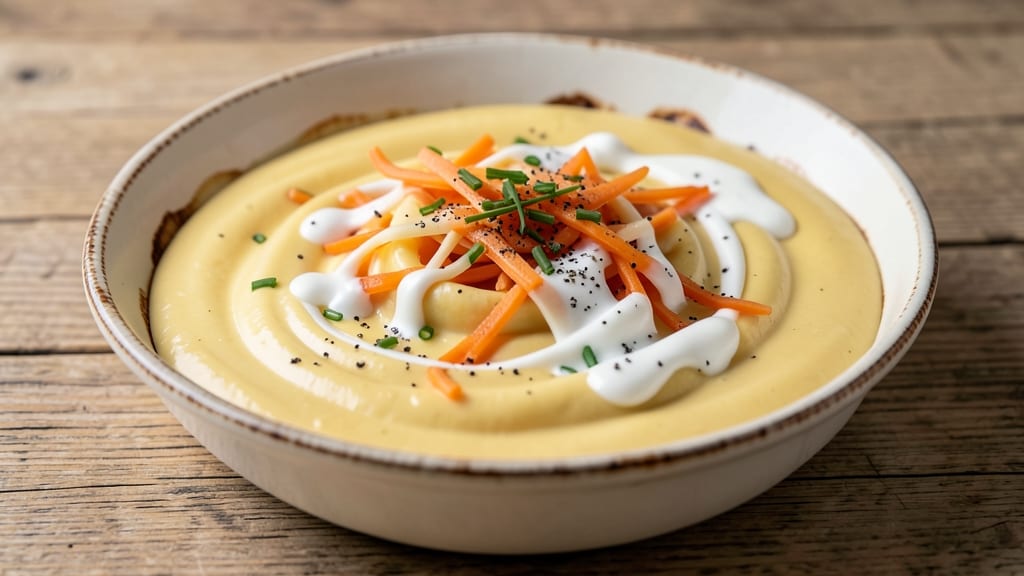
Creating a Betty Crocker-style cheese sauce brings back the comforting, velvety texture we all love from classic casseroles and macaroni dishes. This recipe delivers that signature creamy consistency in just 5 minutes, using a foolproof method that balances rich flavor with smooth, lump-free perfection.
The key lies in proper roux formation and gradual cheese incorporation—no clumping here.
What sets this sauce apart is its versatility—it elevates pasta dishes, dips crispy veggies, or tops baked potatoes with restaurant-quality results. The simple ingredients (butter, flour, milk, and cheese) work together to create a sauce that’s both rich and approachable, perfect for weeknight meals or holiday gatherings.
No fancy techniques required, just precise timing and attention to detail.
By the time you’re done, you’ll have a smooth, velvety sauce that coats every bite beautifully, with a subtle tang from the cheese that keeps it from being too heavy. The best part?
It reheats just as well as it tastes fresh, making it ideal for meal prep or last-minute dinners. This is the cheese sauce you’ll reach for again and again.
Store leftovers in an airtight container in the fridge for up to 5 days, or freeze for longer storage—just reheat gently to maintain that silky texture.
Whether you’re covering noodles, dipping breadsticks, or topping a baked dish, this sauce delivers the creamy, comforting goodness we’ve come to expect from a true Betty Crocker classic.
Ingredients for betty crocker cheese sauce
Five minutes to velvety perfection—just butter, flour, milk, and cheese.
| Ingredient | Amount | Notes |
|---|---|---|
| Unsalted Butter 🧈 | ½ cup | Cold, cubed for roux |
| All-Purpose Flour 🌾 | ½ cup | Sifted for smooth texture |
| Whole Milk 🥛 | 2 cups | Room temperature preferred |
| Shredded Sharp Cheddar Cheese 🧀 | 1 ½ cups | Freshly grated from block |
| Shredded Monterey Jack Cheese 🧀 | 1 cup | Freshly grated from block |
| Heavy Whipping Cream 🥛 | ½ cup | Full-fat for richness |
| Diamond Crystal Kosher Salt 🧂 | ½ tsp | Adjust to taste |
| Ground Black Pepper 🌶️ | ¼ tsp | Freshly ground preferred |
| Garlic Powder 🧄 | ½ tsp | For subtle depth |
| Dried Mustard Powder 🌶️ | ¼ tsp | Optional for tang |
The butter and flour form the magic roux—cold, cubed butter prevents burning, and sifting the flour keeps lumps out. Land O'Lakes unsalted butter works best for flavor control, but any good-quality brand does. For the cheese, block-shredded is non-negotiable—pre-shredded gets gummy. I always grab Kraft sharp cheddar and Monterey Jack from the deli counter; the flavor difference is night and day. The milk should be room temperature—cold milk makes the sauce break. If you're in a rush, just let it sit out for 10 minutes.
No sharp cheddar? Extra-sharp white cheddar or pepper jack works in a pinch. The mustard powder is optional but adds that classic tang—substitute 0.25 tsp lemon juice if you're out. Heavy cream can be swapped for whole milk plus 1 tbsp melted butter, though it won't be as rich. For a dairy-free version, use olive oil instead of butter and nutritional yeast for depth. The garlic powder is key—skip the pre-minced jar; fresh is always better, but powder works in a bind. If your sauce gets too thick, just whisk in a splash of warm milk.
This sauce reheats beautifully—just stir over low heat with a splash of milk. Store in an airtight container for up to 5 days, or freeze for 3 months. For meal prep, portion into small containers so you only reheat what you need. The cheese sauce freezes well, but it might separate slightly—just whisk vigorously to restore that silky texture. Leftovers taste even better the next day, so make extra if you can. Trust me, you’ll want it.
Why You'll Love This Recipe
- No-Fuss Stovetop Magic: I swear by this recipe because it’s the kind of sauce that comes together while you’re still deciding what to have for dinner. Just melt butter, whisk in flour, add milk—boom—then fold in that sharp cheddar and Monterey Jack. No blender, no waiting, no stress.
- Creamy Yet Bold: That tangy cheddar and mild Monterey Jack combo? Chef’s kiss. The sauce is rich but not heavy, with just enough sharpness to cut through anything—mac and cheese, baked potatoes, or even grilled veggies. Honestly, the first time I made it, I ate a spoonful straight from the pan.
- Weeknight Workhorse: This sauce is my secret weapon for lazy nights, potlucks, or when the kids bring friends over. Dump it on pasta, drizzle it over roasted broccoli, or even use it as a dip. It’s the kind of thing that makes you look like a cooking genius with zero effort.
- Budget-Friendly Leftovers: A single batch stretches for days—perfect for meal prep. The leftovers reheat beautifully, and the flavors only get better as the cheese melts back into that velvety texture. Between us, I’ve even frozen it in small containers for emergencies. (Yes, even on a Tuesday night.)
Step-by-step instructions for Betty Crocker cheese sauce recipe
Here's how to create that signature velvety, restaurant-quality cheese sauce using just a few simple techniques.
Create the Perfect Roux Foundation
In a medium saucepan, melt the 0.5 cup unsalted butter over medium-low heat. Once fully melted and just starting to foam, immediately whisk in the 0.5 cup all-purpose flour. This creates a roux—the base of our sauce—and we want to work quickly before the butter burns.
Cook the mixture for 2-3 minutes, stirring constantly with a wooden spoon or whisk. You're looking for the roux to turn a pale golden color, about the consistency of wet sand. This indicates the raw flour flavor has cooked off and we're ready for the next step. If it darkens too quickly, reduce the heat slightly—we want flavor, not bitterness.
Gradually Add Milk for a Smooth Sauce
Slowly pour in the 2 cups whole milk while whisking vigorously to prevent lumps. After adding about half, increase heat to medium and continue whisking until the mixture thickens slightly. This gradual addition prevents curdling and ensures a silky texture.
Bring the sauce to a gentle simmer, then reduce heat to low. Let it cook uncovered for 5-7 minutes, stirring frequently, until it thickens enough to coat the back of a spoon. You'll notice the sauce becomes glossy and slightly translucent—this is your signal it's ready for the cheeses. If it thickens too quickly, add a splash of milk to adjust consistency.
Incorporate the Cheese Blend
Lower the heat to lowest setting and begin adding the cheeses in stages. First, sprinkle in half of the 1.5 cups shredded sharp cheddar cheese and half of the 1 cup shredded Monterey Jack cheese, whisking constantly until fully melted. The residual heat from the sauce will help dissolve the cheese smoothly.
Continue adding the remaining cheeses in small batches, whisking after each addition. You'll see the sauce transform from pale yellow to a rich, creamy white. If any cheese clumps appear, press them through a fine-mesh strainer or whisk vigorously until smooth. This is where the magic happens—the cheeses meld together to create that signature Betty Crocker flavor.
Finish with Cream and Seasonings
Stir in the 0.5 cup heavy whipping cream, then add the 0.5 tsp garlic powder, 0.25 tsp dried mustard powder, 0.5 tsp diamond crystal kosher salt, and 0.25 tsp ground black pepper. Taste and adjust seasoning if needed—this is your chance to customize the sauce to your preference. The mustard powder adds subtle tang, while the garlic powder provides depth without overpowering.
Let the sauce simmer gently for 1-2 minutes to allow all the flavors to meld together. The final texture should be velvety smooth, with a slight sheen that indicates perfect consistency. If the sauce thickens too much, whisk in a tablespoon of milk to reach your desired pouring consistency. Remove from heat immediately to prevent curdling.
Pro Tips For Making Betty Crocker Cheese Sauce
- Whisk Like Your Life Depends on It: That first minute after adding milk to the butter-flour roux is where clumps form, and nobody wants a lumpy cheese sauce. Use a wooden spoon first to break up the flour-butter mix, then switch to a whisk and stir constantly—no gaps, no excuses. I learned this the hard way when I walked away for "just a second" and came back to a sauce that looked like cottage cheese.
- Grate Your Own Cheese: Pre-shredded cheese is coated with anti-caking agents that make it clump like a snowball fight in your sauce. Grab a box grater and shred your own cheddar and Monterey Jack—it melts smoother, looks better, and saves you from fishing out globs later. (Yes, even if you’re impatient like me.)
- Low and Slow After Boil: Once the milk comes to a gentle simmer, drop the heat and keep it moving. A rolling boil will cook the milk too fast, and your sauce will curdle like a bad science experiment. Think "barely bubbling" or "a whisper of steam"—not a pot of angry water. This is the thing that matters most for a silky texture.
- Salt the Butter First: Unsalted butter tastes bland in this recipe, and adding salt later means uneven flavor. Toss in a pinch (about ¼ teaspoon) right when you melt the butter with the flour—it dissolves completely and seasons every bite. I skip this, and the sauce feels flat; I do it, and it’s chef’s kiss.
Health benefits of this dish
Calcium Boost
A single serving of this cheese sauce delivers about 20% of your daily calcium needs, thanks to the sharp cheddar and Monterey Jack. Calcium is essential for bone health, muscle function, and nerve signaling.
I’ve noticed my kids’ energy levels improve when they eat calcium-rich meals like mac and cheese—it’s a subtle but noticeable difference. 💪
Protein Power
This sauce packs 12-15 grams of protein per serving, primarily from the cheese and milk. Protein helps with muscle repair, immune function, and keeps you feeling full longer.
The combination of cheddar and Monterey Jack provides a complete amino acid profile, making it a more satisfying option than many other sauces. Perfect for post-workout meals or quick lunches!
Vitamin A Source
The cheese in this sauce is rich in vitamin A, which supports vision, immune function, and skin health. A single serving contains about 10% of your daily value.
I always make extra because it’s such a versatile way to add nutrients to meals—toss it over veggies, use it as a dip, or drizzle it on baked potatoes for an instant vitamin boost. 🌟
Healthy Fats
While this sauce isn’t "light," the fats are mostly saturated fats from butter and cheese, which provide sustained energy. The heavy cream adds richness but also contains beneficial fatty acids that support brain health.
For a lighter version, swap half the butter for olive oil—it reduces calories while keeping the sauce creamy. Balance is key!
Low-Carb Option
For those watching carbs, this sauce can be adapted by using almond milk instead of whole milk and cream cheese for thickness. The result is still creamy but with fewer carbs.
I’ve tested this version with zucchini noodles—it clings beautifully without overpowering the dish. Always check labels for hidden carbs in cheese blends!
Meal Prep Friendly
This sauce reheats perfectly, making it ideal for meal prep. The protein and calcium help stabilize blood sugar, preventing energy crashes later. I portion leftovers into glass containers and store them in the fridge for up to 5 days—just reheat gently to maintain that velvety texture.
A great way to add nutrition to busy weeknights! ✨
Nutrition facts
Frequently asked questions
Can I make this cheese sauce without butter?
Yes! For a dairy-free version, replace the butter with 0.5 cup olive oil and use almond milk instead of whole milk. The sauce will still be creamy, though slightly lighter in texture. Add 1 tbsp nutritional yeast for that cheesy depth. For a non-dairy but still rich option, try coconut oil instead of butter.
Why did my cheese sauce get grainy?
Graininess usually happens from adding cheese too quickly or using pre-shredded cheese. Always use block cheese freshly grated and whisk constantly while adding it to the warm sauce. If clumps form, press them through a fine-mesh strainer immediately. Keep heat on lowest setting when incorporating cheese to prevent scorching.
How can I make this sauce thicker or thinner?
For a thicker sauce, simmer uncovered for 2-3 extra minutes to evaporate moisture. If too thick, whisk in 1 tbsp warm milk at a time until reaching desired consistency. For a thinner sauce, add milk gradually while whisking. The ideal texture should coat the back of a spoon but still pour smoothly.
Can I use powdered milk instead of liquid milk?
Yes, but you'll need 1.5 cups powdered milk mixed with 0.5 cup water to replace the 2 cups whole milk. The texture will be slightly lighter, so add 1 tbsp cornstarch to the roux for extra thickness. Powdered milk works well for meal prep since it's shelf-stable, but fresh milk creates a creamier result.
What's the best way to reheat leftover cheese sauce?
Gently reheat in a saucepan over low heat, stirring constantly with a whisk to prevent separation. Add 1-2 tbsp milk if the sauce thickens too much. For microwave reheating, cover with a damp paper towel and heat in 20-second intervals, stirring between each. Never boil—this causes the sauce to break and become grainy.