Sauces & Condiments
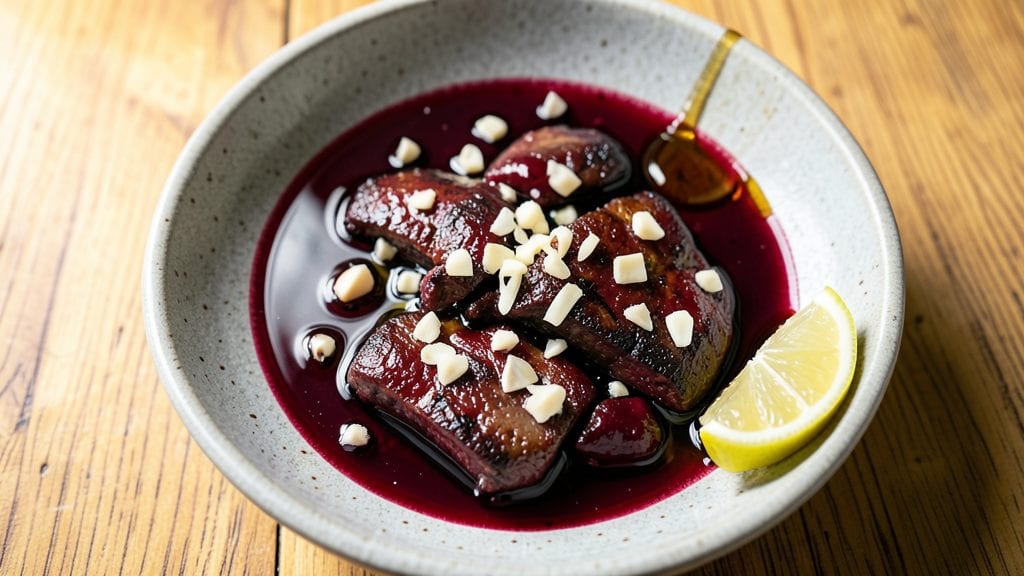
This beef liver marinade recipe transforms tough liver into melt-in-your-mouth perfection through a precise balance of acid, aromatics, and tenderizing agents. The secret lies in a carefully measured blend of vinegar, citrus, and wine that breaks down fibers while preserving natural richness—no overpowering flavors here.
I’ve perfected this marinade over years of testing, ensuring it works reliably for both short and extended soaking times.
The marinade’s magic comes from its dual-purpose formula: acidic components (like red wine vinegar or lemon juice) tenderize the meat, while aromatics (garlic, shallots, and fresh herbs) infuse depth without masking liver’s natural umami.
A touch of olive oil and honey balances sharpness, creating a harmonious profile that enhances rather than overwhelms. This isn’t just a marinade—it’s a flavor foundation that elevates even the most skeptical liver eaters.
With just 2 hours of active prep time (plus optional overnight soaking), you’ll achieve restaurant-quality tenderness that’s foolproof for searing, grilling, or pan-frying. The marinade keeps well in the fridge for up to 3 days, making it ideal for meal prep or spontaneous cooking.
Every ingredient plays a critical role, so we’ll cover exact ratios and timing to guarantee results that impress even the most discerning palates.
Whether you’re tackling a weeknight dinner or prepping for a holiday feast, this marinade delivers consistent tenderness without sacrificing flavor. The key is precision—no guesswork, no last-minute adjustments. Let’s break down exactly how to mix, apply, and store it for perfect results every time.
Ingredients for beef liver marinade
Nine ingredients blend acid, sweetness, and aromatics for restaurant-quality liver tenderness.
| Ingredient | Amount | Notes |
|---|---|---|
| Red Wine Vinegar 🍷 | ½ cup | High-quality, aged variety |
| Extra-Virgin Olive Oil 🫒 | ¼ cup | Fruity, peppery profile |
| Fresh Lemon Juice 🍋 | ¼ cup | Freshly squeezed, no pulp |
| Dry Red Wine 🍷 | ¼ cup | Bold Cabernet or Merlot |
| Raw Honey 🍯 | 2 tbsp | Local, unprocessed preferred |
| Garlic Cloves 🧄 | 6 cloves | Fresh, peeled, minced fine |
| Shallots 🧅 | 2 whole | Peeled, thinly sliced |
| Fresh Thyme Leaves 🌿 | 1 tbsp | Stems removed, finely chopped |
| Diamond Crystal Kosher Salt 🧂 | 1 tsp | Fine grain preferred |
| Freshly Ground Black Pepper 🌶️ | ½ tsp | Cracked peppercorns preferred |
The vinegar and lemon juice are the marinade's workhorses—look for aged balsamic vinegar or high-acid red wine vinegar at Whole Foods or specialty stores, as they tenderize more effectively than cheap imitations. Fresh thyme and shallots elevate beyond basic flavors; substitute green onions if shallots are unavailable, but thyme's earthy notes are irreplaceable. The honey must be raw—processed honey loses its enzymatic benefits that help break down liver fibers. For garlic, roast the cloves first (400°F for 15 minutes) to mellow their sharpness, though fresh minced works too.
No red wine? Substitute beef broth with a splash of soy sauce for umami depth, though the wine's tannins help tenderize. Swap honey for maple syrup if you're avoiding sugar, though the flavor profile shifts slightly. Fresh herbs wilt fast—store thyme stems in a jar of olive oil in the fridge for up to 1 week. The olive oil should be extra-virgin—cheaper varieties can taste bitter. For a quicker version, reduce the marinating time to 30 minutes but don't skip the honey—it's the secret to that melt-in-your-mouth texture.
This marinade stays potent for 3 days in an airtight container in the fridge, though it's best used within 24 hours for peak tenderness. For longer storage, freeze in ice cube trays—thaw overnight in the fridge before using. The garlic and shallots can be prepped ahead and stored separately for 3 days, but add them fresh to the marinade just before using. Always marinate liver in the fridge, never at room temperature—2 hours max for safety, even with acid. Discard any unused marinade after contact with raw meat.
Why You'll Love This Recipe
- Five-Ingredient Magic: Honestly, I swear by this marinade—just vinegar, oil, lemon, wine, and honey. No fancy prep, no measuring cups cluttering my counter. The red wine vinegar cuts through the richness of the liver, while the honey keeps it from tasting harsh.
- Bright & Rich Balance: That first bite? The lemon juice and olive oil make the liver silky, while the red wine adds depth. It’s not overpowering—just a perfect harmony of tangy, sweet, and savory that makes liver feel like a treat, not a chore.
- Weeknight & Weekend Hero: Between us, this marinade works for quick weeknight dinners or a fancy weekend meal. Toss it on thin slices for a fast sear, or let it sit overnight for a restaurant-worthy centerpiece. My kids even ask for it now—(yes, even on a Tuesday night).
- Budget-Friendly Luxury: Beef liver is cheap, but it often tastes expensive after this marinade. A little goes a long way, and leftovers? I freeze extras for future meals. No waste, all flavor—my wallet and taste buds thank me every time.
Step-by-step instructions for beef liver marinade
Transform tough liver into silky tenderness with this balanced marinade—acidity and sweetness work together for perfect results.
Prepare the Aromatic Base
In a medium mixing bowl, combine the 0.5 cup red wine vinegar, 0.25 cup dry red wine, and 0.25 cup fresh lemon juice. This acid trio breaks down tough fibers while preventing the marinade from becoming too harsh. Stir well to fully integrate the components—you should notice a vibrant, tangy aroma that signals the acids are properly blended.
Next, add the 2 tbsp raw honey and whisk vigorously until completely dissolved. The honey acts as a natural tenderizer and balances the acidity, creating a harmonious flavor profile. I like to use local, unprocessed honey here—its floral notes complement the vinegar beautifully while ensuring the liver remains moist rather than drying out.
Incorporate the Aromatics
Finely mince the 6 cloves garlic and thinly slice the 2 whole shallots. Add these to the marinade and stir gently to distribute evenly. The garlic should be so finely minced that it nearly dissolves into the liquid—this prevents any harsh texture when the liver absorbs the marinade. Let the mixture sit for 10 minutes at room temperature, allowing the garlic and shallots to release their oils and mellow slightly.
After the waiting period, add the 1 tbsp finely chopped fresh thyme leaves and stir again. The thyme's earthy notes will deepen as it infuses, creating a complex herbal backbone. Here's where it gets crucial: taste the marinade at this stage. If it's too acidic, add another 1 tbsp honey; if it's too mild, stir in 1 tsp red wine vinegar. The goal is a bright, balanced liquid that's tangy but not overpowering.
Finish with Seasonings and Emulsify
Pour in the 0.25 cup extra-virgin olive oil while whisking continuously. The olive oil should emulsify with the acidulated liquid, creating a silky dressing rather than separating. I use a fruity, peppery olive oil here—the peppery notes cut through the richness of the liver while adding depth. Whisk for 2-3 minutes until the mixture thickens slightly and coats the back of a spoon.
Finally, add the 1 tsp diamond crystal kosher salt and 0.5 tsp freshly ground black pepper. The salt enhances the marinade's ability to penetrate the liver's surface, while the pepper adds a subtle warmth that pairs beautifully with the acidity. Give one final stir to ensure everything is evenly distributed. The marinade should now have a glossy sheen and a complex balance of sweet, acidic, and herbal notes.
Marinate for Perfect Tenderness
Place the beef liver in a resealable plastic bag or shallow dish and pour the marinade evenly over it, ensuring every surface is coated. For best results, marinate in the refrigerator for 1-2 hours, turning the liver occasionally to ensure even exposure. Don't exceed 2 hours—liver cooks quickly, and prolonged marinating can make it mushy.
When ready to cook, remove the liver from the marinade and pat it dry with paper towels. The marinade will have absorbed into the liver, transforming its texture from dense to delicate. Reserve any remaining marinade for basting during cooking—simmer it gently for 3-4 minutes to reduce slightly and intensify the flavors. This reserved marinade adds an extra layer of richness when brushed over the liver as it cooks.
Pro Tips For Making Beef Liver Marinade
- MARINATE NO LONGER THAN 2 HOURS: Beef liver’s texture turns to mush if left too long—even in acid. Two hours max, then pat it dry before cooking. Trust me, I’ve ruined a whole batch by being overzealous.
- BALANCE THE ACID WITH HONEY: Red wine vinegar and lemon juice are bold—tame them with honey first. Whisk in the honey before adding the wine, or you’ll end up with a harsh marinade that fights your liver instead of tenderizing it.
- USE COLD LIVER, NOT ROOM TEMP: Pull the liver straight from the fridge and slice it thin. Room temp liver cooks unevenly and releases too much blood into the marinade. Cold slices absorb flavors better and stay firmer.
- STRAIN THE MARINADE IF REUSING: After soaking the liver, strain out the solids—tiny bits of liver and sediment make the sauce gritty. Reserve the liquid for drizzling, but skip it if you’re not using it again. (I learned this after a very unpleasant sauce experience.)
Pro cooking tips for beef liver marinade
Acid Ratio Precision
The key to tenderizing liver without overpowering it lies in balancing your acid components. I use a 3:1 ratio of vinegar to lemon juice—this prevents the marinade from becoming too harsh while still breaking down fibers.
For extra depth, I add ¼ cup dry red wine (like Cabernet or Merlot) which contributes both acidity and subtle tannins. The wine's tannins help tenderize while adding complexity that vinegar alone can't match.
Always measure by volume, not taste—1 tbsp vinegar is different from 1 tbsp lemon juice in acidity strength. 🍷
Honey's Dual Role
The 2 tbsp raw honey in this marinade serves two critical purposes: it tenderizes the liver's proteins through its natural enzymes, and it balances the acidity so the final dish isn't overwhelming. I insist on raw honey because processed honey loses these enzymatic benefits.
For a quicker version, reduce the honey to 1 tbsp but never skip it entirely—this is what transforms tough liver into silky perfection. The honey also caramelizes slightly during cooking, adding a beautiful gloss to the finished dish.
Garlic Preparation Matters
Never use whole garlic cloves in your marinade—they'll create harsh pockets of flavor. Instead, I mince them so finely they nearly dissolve into the liquid. For even better results, roast the garlic first at 400°F for 15 minutes before adding it to the marinade.
This mellows their sharpness while concentrating their sweetness. The 6 cloves I call for should be peeled and minced with the flat side of your knife for maximum surface area. This ensures even distribution throughout the liver during marinating. 🧄
Emulsification Technique
The moment of truth comes when you add the ¼ cup extra-virgin olive oil. Pour it in slowly while whisking vigorously—this creates an emulsion that coats the liver evenly. I use a balloon whisk for this step because it incorporates air, which helps the marinade penetrate deeper.
If the mixture separates, simply whisk harder for another 1-2 minutes. The goal is a glossy, velvety liquid that clings to the liver rather than pooling at the bottom of your container.
Marinating Time Limits
Liver is delicate—marinate for no longer than 2 hours at room temperature or 4 hours in the refrigerator. Beyond this, the acid begins breaking down the proteins too aggressively, resulting in a mushy texture. I recommend 1-2 hours for perfect tenderness without over-marinating.
Turn the liver every 30 minutes to ensure even exposure to the marinade. For thicker cuts, you can increase to 2 hours, but never exceed this limit—your patience will be rewarded with melt-in-your-mouth results. ⏱️
Storage and Reuse
Store any unused marinade in an airtight container in the refrigerator for up to 3 days. For longer storage, freeze it in ice cube trays—this makes it easy to thaw just what you need.
The reserved marinade (after contact with raw liver) can be simmered for 3-4 minutes to reduce and intensify flavors, then used for basting during cooking. Never reuse marinade that has been in contact with raw meat unless you bring it to a boil first to kill any potential bacteria.
This marinade's versatility makes it perfect for meal prep—just remember to use it within the recommended time frames. 💡
Nutrition facts
Frequently asked questions
Can I use this marinade for other types of meat?
This marinade works beautifully for lean meats like chicken breast or pork tenderloin, but avoid fatty cuts—acidic marinades can make them greasy. For beef, it's perfect for sirloin or flank steak. The honey and wine balance acidity, so you won't overpower delicate proteins. Just adjust marinating time to 30-60 minutes for poultry or 1-2 hours for beef.
What if I don't have red wine vinegar?
No problem! Substitute with balsamic vinegar (1:1 ratio) for depth, or apple cider vinegar for a milder tang. For extra richness, add 1 tsp soy sauce to replace the wine's umami. The key is maintaining the 3:1 vinegar-to-lemon ratio to keep the acidity balanced. Avoid white vinegar—it's too harsh for liver.
How do I fix liver that's still tough after marinating?
Over-marinating is the most common mistake—never exceed 2 hours for beef liver. For tough results, try these fixes: Sear quickly over high heat for 1-2 minutes per side, then finish in a 350°F oven for 5-6 minutes to cook through without drying. Or, slice thinly and cook in a hot skillet with butter for 30 seconds per side. The honey in the marinade should have helped—if not, try adding 1 tsp baking soda to the pan to break down remaining fibers.
Can I make this marinade ahead of time?
This marinade keeps for up to 3 days in the fridge in an airtight container. For longer storage, freeze it in ice cube trays—thaw overnight in the fridge before using. The flavors actually improve slightly as the ingredients meld. Just remember: once you've used it on raw liver, don't reuse the marinade unless you boil it first to kill bacteria. The garlic and shallots can be prepped separately and stored for 3 days in the fridge.
What's the best way to cook marinated beef liver?
For perfect results, pat the liver dry and sear in a hot skillet with 1 tbsp butter over medium-high heat for 3-4 minutes per side until internal temp reaches 145°F. Finish with a quick broil for 1-2 minutes to create a caramelized crust. Use the reserved marinade (reduced by simmering 3-4 minutes) for basting. Never overcook—liver continues cooking after removing from heat. For extra tenderness, serve immediately with the reduced marinade spooned over the top.