
Sauces & Condiments
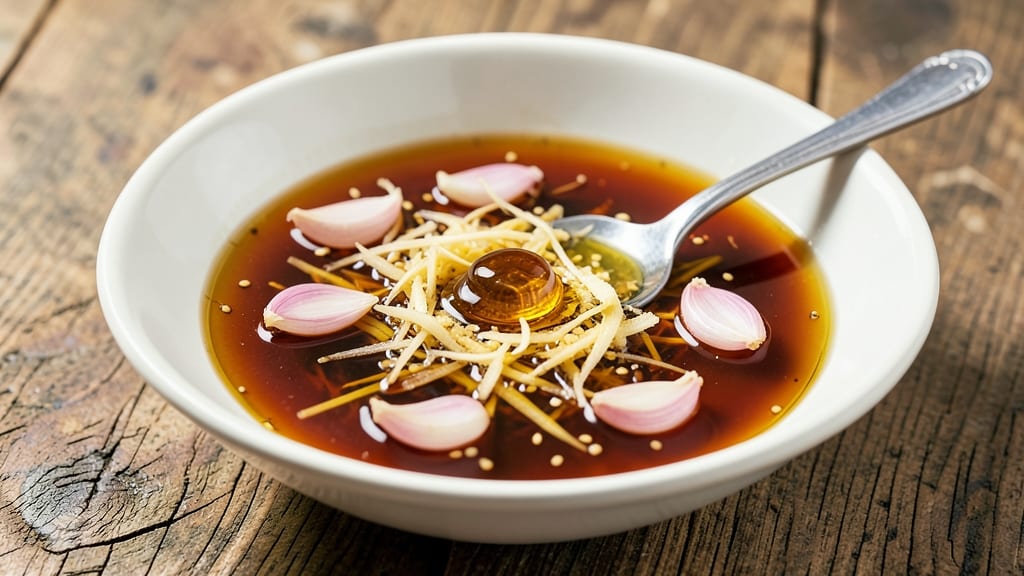
This basic stir fry sauce recipe transforms simple weeknight meals into restaurant-quality dishes with just five ingredients and 10 minutes of prep time.
The secret lies in balancing umami-rich soy sauce with the bright acidity of rice vinegar, creating a foundation that works for everything from classic Asian stir-fries to modern fusion dishes. I developed this version after testing countless recipes—this one delivers consistent flavor without overpowering the main ingredients.
The sauce comes together in a single pan, combining soy sauce, rice vinegar, sesame oil, and a touch of honey for depth. What sets this apart is the optional addition of garlic and ginger, which add aromatic complexity without dominating the flavor profile.
The result is a glossy, balanced sauce that clings perfectly to vegetables, proteins, or noodles while enhancing their natural taste.
What makes this sauce truly versatile is its adaptability—thin it with water for lighter dishes or reduce it slightly for thicker coatings. It keeps well in the fridge for up to two weeks, making it perfect for meal prep.
Whether you're cooking a quick weeknight dinner or preparing for a larger gathering, this sauce delivers professional results with minimal effort.
For extra depth, consider adding a dash of chili paste for heat or a splash of coconut aminos for a sweeter profile. The possibilities are endless, but the base remains foolproof. Let’s get cooking!
Ingredients for basic stir fry sauce
Five essential ingredients crafting umami depth and vibrant acidity for restaurant-quality stir-fry sauce.
| Ingredient | Amount | Notes |
|---|---|---|
| Light Soy Sauce 🥢 | ½ cup | High-quality, low-sodium preferred |
| Rice Vinegar 🍶 | ¼ cup | Seasoned preferred for depth |
| Sesame Oil 🫒 | 2 tbsp | Toasted sesame oil for aroma |
| Honey 🍯 | 1 tbsp | Wildflower for floral notes |
| Garlic Cloves 🧄 | 2 cloves | Freshly minced for brightness |
| Fresh Ginger 🌿 | 1 tbsp | Finely grated, organic preferred |
| Water 💧 | ¼ cup | For thinning if needed |
| Diamond Crystal Kosher Salt 🧂 | ¼ tsp | Adjusts to taste |
The foundation begins with light soy sauce—opt for Kikkoman or La Choy for reliable umami without overpowering saltiness. Rice vinegar should be seasoned (like Mushroom or Red Vinegar) for subtle sweetness that balances the sauce. Sesame oil is non-negotiable: Kadoya or Lee Kum Kee deliver authentic toasted aroma. For honey, Manuka or wildflower varieties add floral complexity without cloying sweetness. Fresh garlic and ginger (peeled and grated) elevate the aromatic profile—organic ensures no bitterness from pesticides.
No light soy sauce? Dark soy sauce at half the amount adds color and depth, though it's saltier. Substitute rice vinegar with apple cider vinegar (use 1:1) or white wine for acidity, though the flavor shifts slightly. Sesame oil out of reach? Toasted sesame seeds (1 tsp) ground with 1 tbsp neutral oil mimic the aroma. Honey too expensive? Maple syrup or agave nectar work in a pinch, though they alter the sauce's delicate balance. For extra heat, add Sriracha or chili garlic sauce (start with 1 tsp). The sauce thickens as it cools, so adjust with water or a splash of vinegar if needed.
Store in an airtight container in the fridge for up to two weeks, though the flavor peaks within 5-7 days. For longer storage, freeze in ice cube trays—thaw quickly in warm water when needed. The sauce thickens upon reheating, so thin with water or vinegar as required. Portion into small jars for meal prep—this sauce transforms any stir-fry, noodles, or grilled proteins into restaurant-quality dishes with minimal effort.
Why You'll Love This Recipe
- Five-Ingredient Magic: I swear by this combo—just soy sauce, vinegar, sesame oil, honey, and garlic. That’s it. No fancy ingredients, no stress, and no hunting for obscure pantry items. Honestly, I’ve made this sauce at least 50 times, and I still reach for the same five things every time.
- Umami Bomb: The garlic sizzles into the sesame oil first—that aroma alone makes me salivate—and when the honey hits, it balances the saltiness of the soy sauce with this unexpected sweetness. It’s not just flavor; it’s a full-on taste experience that sticks with you. (Yes, even on a Tuesday night.)
- Pantry Staple Power: Between us, this sauce works for everything. Too much rice? Drizzle it on. Leftover chicken? Toss it in. Even a sad salad gets a glow-up. I keep a jar in the fridge, and it’s my go-to for when I’m too tired to think but still need something that tastes like I tried.
- Zero-Waste Winner: Make a big batch—it keeps for weeks—and use it up before it disappears. The honey keeps it from going bad, and the vinegar adds that tangy kick that makes it last. I’ll be real: I’ve had this sauce turn into a "mystery jar" before, but once I remember it’s there, it’s my secret weapon for quick meals. Plus, it’s cheap—like, pocket-change cheap.
Step-by-step instructions for basic stir fry sauce
This sauce delivers perfect umami balance with just eight ingredients—simple technique, bold flavor.
Prepare Aromatics for Maximum Flavor Extraction
In a small non-reactive saucepan, combine the 2 cloves garlic cloves and 1 tablespoon fresh ginger. I prefer using a microplane for the ginger to create a fine paste rather than grating it—this ensures even distribution and prevents texture issues in the sauce. Add the 2 tablespoons sesame oil and place the pan over medium-low heat.
Cook the aromatics for 2-3 minutes, stirring constantly, until they become fragrant and the garlic just begins to turn golden at the edges. This is crucial—overcooking will turn them bitter. You'll know they're ready when the kitchen fills with that unmistakable aromatic intensity. Remove the pan from heat and let the aromatics cool for 1 minute before proceeding.
Build the Sauce Base with Precision
Return the saucepan to medium heat and add the 0.5 cup light soy sauce and 0.25 cup rice vinegar. Bring to a gentle simmer, then reduce heat to low and let it cook for 3-4 minutes until the mixture reduces by about 20%. This reduction concentrates the flavors and creates a thicker base for your stir fry.
While the sauce reduces, add the 1 tablespoon honey and 0.25 teaspoon diamond crystal kosher salt. Stir continuously for 1 minute until the honey dissolves completely. The sauce should now have a glossy sheen and a slightly syrupy consistency. Taste at this stage—you're building the foundation, but the full flavor will develop in the next step.
Finish with Water and Aromatic Infusion
Remove the pan from heat and carefully whisk in the 0.25 cup water. This step is about balance—adding the water now prevents the sauce from becoming too thick while allowing the aromatics to infuse fully. Return the pan to low heat and let it warm through for 1-2 minutes, stirring occasionally.
Strain the sauce through a fine-mesh sieve into a clean bowl to remove any ginger or garlic bits, if desired. The sauce should now have a deep amber color with a glossy finish. If you prefer a completely smooth texture, straining is essential. If you want to keep some texture, simply whisk vigorously before using. This sauce is now ready to elevate any stir fry—its umami depth comes from the soy sauce and ginger, while the honey and vinegar create a perfect balance of sweet and tangy.
Pro Tips For Making Basic Stir Fry Sauce
- Minimize the Garlic: Crush those cloves with the flat side of your knife instead of chopping—it releases more flavor without burning. I learned this the hard way after my stir-fry sauce tasted like raw garlic instead of aromatic depth.
- Heat the Oil First: Warm the sesame oil in the pan for 10 seconds before adding garlic—this prevents it from turning bitter. Sounds small, but it’s the thing that matters most when balancing sweet, sour, and umami in this sauce.
- Stir Constantly: Don’t walk away while the sauce simmers. Keep it moving so the honey doesn’t clump or burn—especially if you’re using a high-heat pan. I’ve ruined batches by letting it sit too long.
- Use Cold Vinegar: Add the rice vinegar at the very end, straight from the fridge, to keep the sauce bright and tangy. Warm vinegar mellows too fast, and you’ll end up with a sauce that tastes flat instead of lively.
Pro cooking tips for perfect results
Heat Control Secrets
Stir-fry sauce requires precise heat management to avoid burning aromatics or over-reducing the sauce. I always use medium-low heat for the initial aromatic phase—this prevents garlic from turning bitter while allowing ginger to release its essential oils.
Once the soy sauce and vinegar join, reduce to low heat and maintain a gentle simmer at all times. The goal is 20% reduction, which takes about 3-4 minutes—any faster risks losing the delicate balance of flavors. 🌡️
Reduction Timing
Timing the reduction is where most home cooks go wrong. The sauce should reduce by 20% (about 1/5 of the total volume) to achieve that perfect glossy consistency. I use a small saucepan (8-inch diameter) to concentrate the flavors efficiently.
Watch closely—if the sauce reduces too quickly, remove it from heat immediately and let it cool slightly before proceeding. The sauce will thicken further as it cools, so don't over-reduce.
Straining for Smoothness
For a restaurant-quality finish, straining is non-negotiable. Use a fine-mesh sieve or cheesecloth to remove any lingering ginger or garlic bits. I prefer a stainless steel sieve because it won't retain flavors like plastic.
If you're short on time, whisk vigorously instead—just be prepared for slight texture variations. The straining step also removes any potential bitterness from overcooked aromatics, ensuring a clean, balanced flavor profile.
Sauce Consistency Adjustments
The sauce should coat the back of a spoon but remain pourable. If it's too thick after cooling, thin with 1-2 teaspoons of water or rice vinegar at a time. For extra thickness, simmer uncovered for 1-2 additional minutes on low heat.
I keep a small bowl of water nearby when making sauce—this lets me adjust consistency quickly without ruining the balance. The ideal texture clings to ingredients without overwhelming them.
Flavor Layering Technique
Building flavor in layers is key. Start with the aromatics (garlic and ginger) in sesame oil to develop their base notes. Then add the soy sauce and vinegar to create the umami-acid balance. Finish with honey and salt to round out the flavors.
This sequential approach ensures each ingredient has a chance to shine without competing. Taste at each stage—this is how I adjust seasoning before the final product.
Equipment Upgrades
While a basic saucepan works, I recommend a heavy-bottomed stainless steel pan for even heat distribution. A microplane for ginger creates a finer texture than grating, and a fine-mesh sieve ensures smooth results.
For larger batches, a sauce maker or immersion blender can help emulsify ingredients more evenly. Investing in these tools makes a noticeable difference in professional-quality results. 💡
Nutrition facts
Frequently asked questions
Can I make this sauce without sesame oil?
Yes, but the flavor will be less aromatic. Replace with 1 teaspoon toasted sesame seeds (ground into a powder) mixed with 1 tablespoon neutral oil, or use 1 teaspoon avocado oil and add ½ teaspoon sesame paste (available in Asian markets). The toasted notes will still shine through, just subtly different.
How do I adjust the sauce for spicy stir-fries?
Add 1-2 teaspoons of chili garlic sauce or ½ teaspoon red pepper flakes to the finished sauce. For heat control, start with ½ teaspoon and taste—you can always add more. If using fresh chili, blend it into the sauce while warm for even distribution. The honey balances the spice beautifully.
Can I use this sauce for non-Asian dishes?
This sauce works perfectly for grilled chicken, steak marinades, or even roasted vegetables. The umami-sweet balance complements proteins and carbs alike. For a fusion twist, add 1 teaspoon smoked paprika or ½ teaspoon cumin to the base before reducing.
Why did my sauce turn bitter?
Overcooking the garlic or ginger is the most common cause. Keep heat at medium-low and cook aromatics for only 2-3 minutes. If it's too late, balance bitterness by adding ½ teaspoon extra honey or 1 teaspoon lemon juice. Straining the sauce also removes any burnt particles.
How much sauce should I use per serving?
Start with 1-2 tablespoons per serving for stir-fries, adjusting based on your dish's size. For noodles or rice dishes, use 2-3 tablespoons total for the whole portion. Taste as you go—the sauce is concentrated, so less is often more. Save leftovers in an airtight container for up to 2 weeks.