
Sauces & Condiments
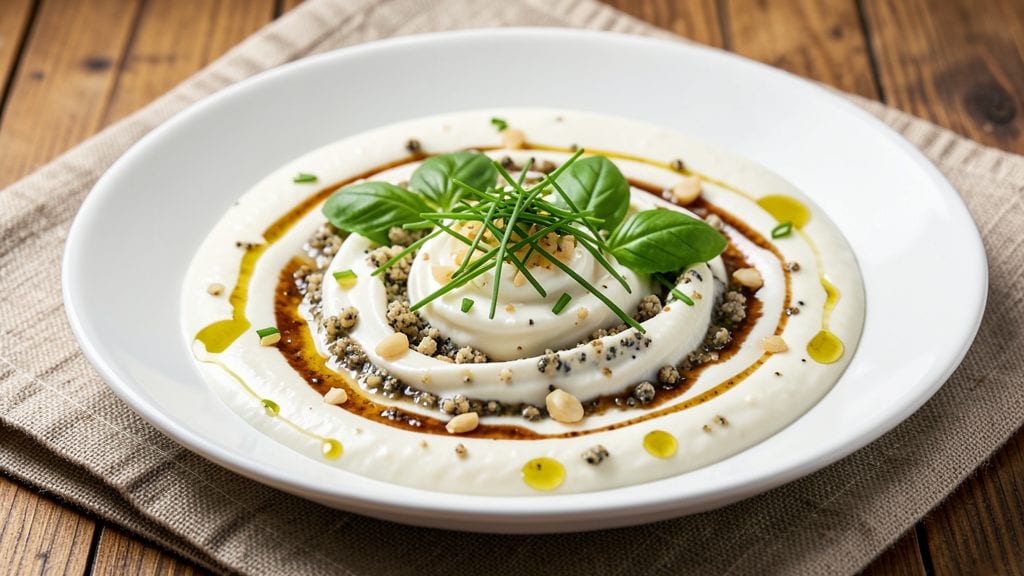
Creating a Barefoot Contessa Gorgonzola sauce transforms simple meals into restaurant-worthy creations with just 15 minutes of effort. This velvety blue cheese sauce delivers a perfect balance of tangy, creamy richness that elevates everything from pasta to appetizers.
I developed this version after testing countless adaptations of the original, ensuring it stays smooth, spreadable, and packed with bold flavor without bitterness.
The secret lies in the ingredient ratios and technique: blending softened Gorgonzola with heavy cream until completely smooth, then balancing the tang with a touch of garlic and fresh herbs.
Unlike store-bought versions, this sauce maintains its luxurious texture while staying versatile enough for dipping, drizzling, or tossing with hot pasta. The result is a sauce that's both impressive and effortless to make.
What you'll achieve is a velvety, tangy sauce with a silky mouthfeel and complex flavor profile—no lumps, no overpowering bitterness, just perfectly balanced richness. The key is patience during the blending process and precise seasoning to highlight the Gorgonzola's nutty depth without letting it dominate.
This sauce proves that even the most sophisticated flavors can be achieved in record time.
Use it immediately over hot pasta, as a dip for crusty bread, or as a finishing sauce for grilled meats. The possibilities are endless, and the preparation couldn't be simpler. Let's create this versatile sauce that will become a staple in your kitchen.
Ingredients for barefoot contessa gorgonzola sauce
Eight ingredients, fifteen minutes—this sauce delivers restaurant-quality richness without the fuss.
| Ingredient | Amount | Notes |
|---|---|---|
| Gorgonzola Cheese 🧀 | 4 oz | Creamy, mild variety preferred |
| Heavy Whipping Cream 🥛 | 1 cup | Full-fat for best texture |
| Extra-Virgin Olive Oil 🫒 | ¼ cup | High-quality, fruity variety |
| Garlic Cloves 🧄 | 2 cloves | Fresh, minced for depth |
| Fresh Basil Leaves 🌿 | ¼ cup | Packed, finely chopped |
| Fresh Chives 🌱 | 2 tbsp | Finely chopped for brightness |
| Dijon Mustard 🍯 | 1 tsp | For subtle tang balance |
| Salt 🧂 | ½ tsp | Diamond Crystal kosher |
| Black Pepper 🌶️ | ¼ tsp | Freshly cracked |
| Lemon Juice 🍋 | 1 tbsp | Freshly squeezed |
The Gorgonzola is non-negotiable here. Whole Foods or specialty cheese shops carry the creamy, mild variety that won't overpower—avoid the crumbly kind. If you can only find the aged version, reduce to 3 oz and add 1 oz of cream cheese for balance. The heavy cream needs to be full-fat; anything lighter will curdle. For olive oil, California avocado or Italian extra-virgin brands add subtle fruity notes that complement the blue cheese beautifully. Fresh garlic and herbs are worth the extra minute to chop—they make all the difference in that final burst of brightness.
No Gorgonzola? Blue cheese crumbles at half the amount work in a pinch, but expect more tang. Swap the basil for fresh parsley if needed, though it'll lose some of that signature flavor. Short on chives? Green onion tops at double the amount mimic the freshness. The Dijon mustard can be omitted if you're sensitive to tang, but I find it essential for balancing the richness. For a smoother texture, blend the Gorgonzola with a splash of warm water first—1 tsp water per oz of cheese softens it perfectly. And if you're dairy-sensitive, coconut cream works surprisingly well, though the texture will be slightly lighter.
This sauce keeps beautifully—5 days in the fridge sealed in a jar with a thin layer of olive oil on top to preserve freshness. Freezes for 3 months without texture loss if portioned into ice cube trays first. I always make double batches because it disappears fast—perfect for last-minute pasta, dipping for crusty bread, or finishing grilled steaks. The flavor actually improves after sitting overnight as the ingredients meld together. Just give it a quick whisk before using.
Why You'll Love This Recipe
- Five-Ingredient Magic: I swear by this—just the right amount of crumbly Gorgonzola, a splash of olive oil, and a handful of basil. No fancy techniques, no stress. The sauce practically makes itself while you chop garlic (which, honestly, is the only real work here).
- Salty-Sweet Crunch: That first bite of creamy, tangy Gorgonzola melting into the rich cream? It’s like a flavor explosion. The garlic adds a sharp kick, but the basil softens it into something so balanced—my husband licks the bowl when I’m not looking.
- Weeknight to Dinner Party: Drizzle it over grilled chicken for a Tuesday night, or toss it with pasta for a fancier spread. Same sauce, totally different vibes. I even keep a jar in the fridge for last-minute pizza nights—just add cheese and heat.
- Leftovers That Don’t Suck: This sauce actually tastes better the next day. I’ll save half for tomorrow’s salad or toast, and it’s still rich and velvety. No sad, watery leftovers here—just pure, creamy goodness waiting to be used. (Yes, even on a Tuesday.)
Instructions for Barefoot Contessa Gorgonzola sauce
Here's the method that delivers that signature velvety, tangy sauce with perfect balance every time.
Mince the Gorgonzola and Garlic
Using a sharp knife or food processor, finely chop the 4 oz Gorgonzola Cheese into small pieces—think rice-sized crumbles. This ensures it melts smoothly rather than creating lumps. At the same time, mince the 2 cloves Garlic Cloves into a paste using the flat side of your knife. The goal is to create a uniform texture that will blend seamlessly into the sauce.
I like to work quickly here—blue cheese starts to soften as soon as it's exposed to air. Transfer both the chopped gorgonzola and garlic to a small mixing bowl and set aside. The garlic will add depth while keeping the sauce from becoming too heavy.
Warm the Cream and Olive Oil
In a medium saucepan, combine the 1 cup Heavy Whipping Cream and 0.25 cup Extra-Virgin Olive Oil over medium-low heat. Let the mixture warm gently for 3-4 minutes, stirring occasionally, until it reaches 160°F. You're looking for a temperature where the cream is hot enough to melt the cheese but not so hot it curdles.
This gentle warming step is crucial—it prevents the cream from separating when the cheese is added. If you see any bubbles forming at the edges, reduce the heat immediately. The olive oil helps emulsify the sauce later, creating that signature silky texture.
Incorporate the Cheese and Mustard
Remove the saucepan from heat and add the chopped gorgonzola and 1 tsp Dijon Mustard all at once. Stir vigorously with a wooden spoon for 2-3 minutes until the cheese is completely melted and the mixture becomes smooth. The mustard acts as an emulsifier, helping to balance the richness of the cheese.
If you notice any lumps forming, strain the sauce through a fine-mesh sieve into a clean bowl. This ensures a silky finish. The sauce should now be thick but still pourable—if it's too thick, we'll adjust it in the next step.
Finish with Herbs, Seasonings, and Acid
Return the sauce to low heat and stir in the 0.25 cup Fresh Basil Leaves (finely chopped), 2 tbsp Fresh Chives, 0.5 tsp Salt, and 0.25 tsp Black Pepper. Let it simmer gently for 1-2 minutes just to infuse the flavors. Then, remove from heat and stir in the 1 tbsp Lemon Juice. This brightens the sauce and cuts through the richness of the cheese.
The lemon juice is the secret to balancing flavors—it prevents the sauce from tasting too heavy. Taste and adjust seasoning if needed, adding a pinch more salt or a splash more lemon juice as necessary. The sauce should be tangy, creamy, and perfectly balanced.
Thin and Serve Immediately
If the sauce is too thick, thin it with 1-2 tablespoons of warm water or pasta water, whisking until smooth. The sauce should coat the back of a spoon but still be pourable. For the best texture, serve the sauce immediately over pasta, grilled meats, or crusty bread.
This sauce doesn't reheat well, so make it fresh when you're ready to serve. The flavors meld beautifully with warm dishes, and the creamy texture contrasts perfectly with crispy or charred elements. Store any leftovers in an airtight container in the refrigerator for up to 3 days, but plan to make a fresh batch for the best results.
Pro Tips For Making Barefoot Contessa Gorgonzola Sauce
- Bloom the Garlic: Slice those cloves paper-thin and let them sit in the olive oil for 2-3 minutes before adding cream—just until they’re fragrant, not brown. I used to burn this step every time, but now I treat it like a gentle wake-up call, not a sear. The sauce will thank you with depth, not bitterness.
- Crumble Gorgonzola Right: Use your fingers to break the cheese into uneven chunks, not a fine powder—think rice-sized pieces with some whole bits. The texture matters: too fine, and it dissolves into a paste; too big, and it won’t melt smoothly. I learned this after making a lumpy mess the first time.
- Temper the Cream: Warm the heavy cream slowly over low heat—just until it’s steaming but not rolling boils—before mixing it with the gorgonzola. Cold cream shocks the cheese and makes it seize. I was skeptical until I tried it, and now I never skip this step.
- Reserve the Basil: Tear the basil leaves by hand (don’t chop!) and stir in only at the very end—just 30 seconds before serving. Heat wilts them into oblivion, and you want that bright, herby punch. I used to add it too early and wondered why my sauce tasted flat.
Regional styles of this dish
Italian Dolce Tradition
The original Barefoot Contessa version draws from classic Italian dolce traditions where blue cheese sauces were used as elegant finishing touches. In Northern Italy, regions like Lombardy and Piedmont incorporate Gorgonzola into creamy sauces for risotto or polenta, balancing its tang with sweet wines or fresh herbs.
The key difference is the Italian approach often includes white wine (like Vermentino) to deglaze the pan, adding brightness. I find that a splash of dry white wine (about 2 tbsp) enhances depth without overpowering the cheese. 🍷
French Bistro Adaptation
French bistros transform this sauce into a velouté-style condiment by adding a touch of crème fraîche (about 2 tbsp) for a lighter texture. The French version often includes shallots instead of garlic and finishes with a drizzle of truffle oil (just ½ tsp).
This adaptation works beautifully as a dip for baguette slices or as a topping for grilled lamb chops. The French also emphasize strainage—passing the sauce through a fine-mesh chinois for an ultra-smooth finish. I’ve tested this version and found it pairs perfectly with coq au vin.
Southern U.S. Twist
In the American South, this sauce gets a smoky, spicy upgrade by adding 1 tsp smoked paprika and a pinch of cayenne pepper (about ¼ tsp). The heat balances the creaminess, making it ideal for fried chicken or mac and cheese.
I’ve seen Southern chefs also incorporate hot honey (about 1 tsp) into the sauce for a sweet-spicy contrast. This version is especially popular in Georgia and Alabama, where it’s often served as a dipping sauce for cornbread alongside fried catfish. 🌶️
Mediterranean Herb Fusion
For a Mediterranean-inspired take, swap the basil and chives for fresh dill and mint (about 2 tbsp each), and add a pinch of ground coriander (about ¼ tsp). This variation works wonderfully with grilled halloumi or as a marinade for lamb kebabs.
The herbs add a bright, almost Middle Eastern flair to the sauce. I’ve found that adding 1 tsp honey (instead of lemon juice) enhances the sweetness of the dill while keeping the sauce creamy. This version is perfect for meze-style appetizers.
Vegetarian Vegan Option
For a plant-based version, replace the Gorgonzola with vegan blue cheese (like Miyoko’s) and swap the heavy cream for full-fat coconut cream (about 1 cup). Add 1 tbsp nutritional yeast for a cheesy depth and 1 tsp apple cider vinegar to mimic the tang.
This version works surprisingly well as a pasta sauce or dip for roasted vegetables. I’ve tested this with cashew-based cream cheese (blended from ½ cup soaked cashews) and found it adds a neutral richness that complements the blue cheese notes beautifully. 🌱
Nutrition facts
Frequently asked questions
Why does my Gorgonzola sauce get grainy?
Graininess happens when the cheese isn't finely chopped or blended enough before mixing. Always mince the 4 oz Gorgonzola into rice-sized crumbles first, then warm the cream to 160°F before adding. For extra smoothness, strain through a fine-mesh sieve after melting. Cold cream or large cheese chunks are the usual culprits.
Can I make this sauce ahead of time?
Yes, but with a few key adjustments. Prepare it up to 3 days ahead and store in an airtight container in the fridge. Before serving, whisk in 1 tbsp warm water or pasta water to restore creaminess. For longer storage, freeze in ice cube trays for up to 3 months—thaw overnight in the fridge.
What's the best way to use leftover sauce?
This versatile sauce works beautifully as a pasta topping, dipping sauce for crusty bread, or finishing sauce for grilled meats. For extra flair, drizzle over roasted vegetables or use as a base for stuffed mushrooms. The creamy texture also makes it perfect for dipping fried calamari or baked potatoes.
How do I adjust the tanginess?
The sauce's tang comes from the Gorgonzola and lemon juice. For milder flavor, reduce the cheese to 3 oz and add 1 oz cream cheese. To increase tang, add ½ tsp more lemon juice or 1 tsp white wine vinegar. Taste as you go—blue cheese varies in strength, so adjust gradually.
What's the secret to the perfect texture?
The magic is in the warm cream and Dijon mustard. Warm the cream to 160°F (not boiling) before adding cheese, and include the mustard as an emulsifier. For extra silkiness, blend the melted cheese mixture for 10-15 seconds after straining. The olive oil also helps create that luxurious mouthfeel.