
Sauces & Condiments
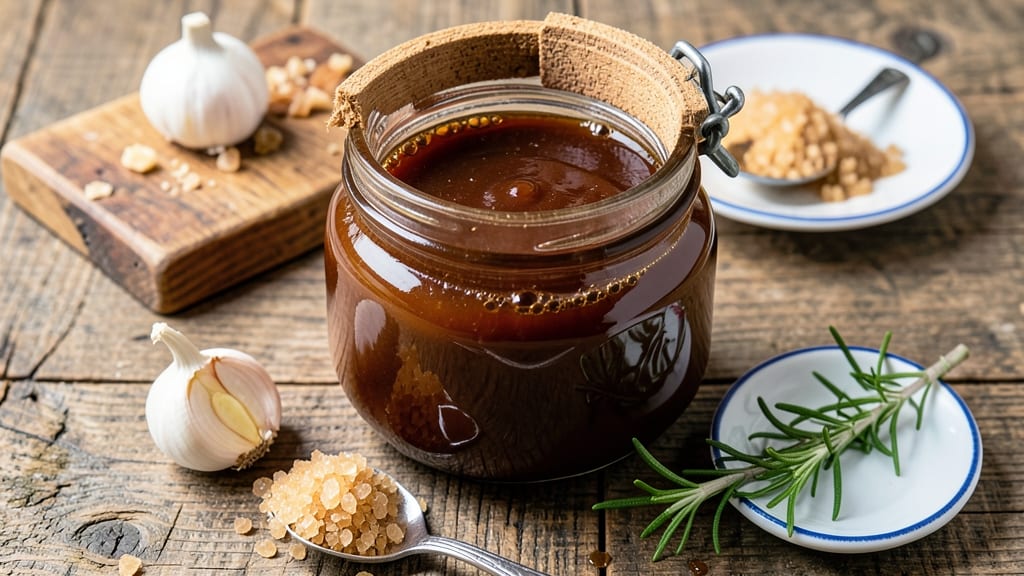
Mastering this barbque sauce recipe with pantry staples is all about nailing that smoky-sweet harmony that transforms every dish. This sauce transforms simple grilled meats into restaurant-quality masterpieces with just a few key ingredients and precise technique.
I developed this version after years of testing—it’s the one my family reaches for every time we fire up the grill.
The foundation of great barbecue sauce lies in its three core elements: a rich tomato base, a touch of acidity from vinegar, and just enough sweetness to complement the smokiness.
What sets this recipe apart is how it builds layers of flavor without requiring specialty ingredients—just tomatoes, vinegar, brown sugar, and a blend of spices that come together in a foolproof process. The result is versatile enough for marinades, glazes, or dipping sauces.
By the time you’re done, you’ll have a sauce that’s deeply aromatic, with a perfect harmony of sweet, tangy, and smoky notes. It clings beautifully to meats, caramelizes slightly when brushed on, and adds a glossy finish that makes every bite look as good as it tastes.
This isn’t just another barbecue sauce—it’s the one that will make you reach for the grill more often.
The best part? This sauce keeps well in the fridge for up to two weeks, giving you time to perfect your technique or share it with neighbors. Whether you’re slow-cooking ribs or tossing veggies on the grill, this recipe delivers professional-quality results every time.
Ingredients for barbque sauce
Ten simple ingredients transform into the ultimate smoky-sweet barbecue sauce that elevates every grill session.
| Ingredient | Amount | Notes |
|---|---|---|
| Ketchup 🍅 | 1 cup | High-quality, no artificial ingredients |
| Apple Cider Vinegar 🍎 | ½ cup | Raw, unfiltered for tangy depth |
| Light Brown Sugar 🍯 | ½ cup | Packed firmly, no clumps |
| Smoked Paprika 🌶️ | 2 tbsp | High-quality, not sweet variety |
| Garlic Powder 🧄 | 1 tbsp | Freshly ground preferred |
| Onion Powder 🧅 | 1 tbsp | Not onion salt |
| Ground Black Pepper 🌶️ | ½ tsp | Freshly cracked for best flavor |
| Ground Cinnamon 🌿 | ½ tsp | Freshly toasted for warmth |
| Mustard Powder 🍯 | 1 tsp | Yellow or Dijon preferred |
| Salt 🧂 | 1 ½ tsp | Diamond Crystal kosher preferred |
The ketchup is your flavor anchor—look for brands like Heinz or Hunts with no artificial colors or preservatives. Apple cider vinegar adds that essential tang, but Bragg’s raw vinegar takes it to another level with its depth. Brown sugar is non-negotiable for caramelization, so pack it firmly—no clumps means even distribution. For smoked paprika, Penzeys or McCormick are my go-tos because they deliver that authentic smoky punch without bitterness. Toast your cinnamon and garlic powder in a dry pan for 30 seconds before adding—trust me, it’s worth the extra minute—this deepens their aromatic profiles.
No apple cider vinegar? White vinegar or balsamic work in a pinch, but you’ll lose some complexity. Mustard powder missing? Dijon mustard at half the amount gives that same tangy kick. If you’re avoiding sugar, honey or maple syrup can replace brown sugar one-to-one, but the caramelization won’t be identical. For a deeper smokiness, add a dash of liquid smoke (about 0.25 tsp), but use it sparingly—it’s potent! The spices are where you can get creative: swap cayenne for extra heat or add a pinch of cloves for warmth, but keep the ratios balanced to avoid overpowering the tomato base.
This sauce thickens as it sits, so stir before each use. Store in an airtight container in the fridge for up to two weeks, or freeze in ice cube trays for six months—perfect for quick grill sessions. The flavors actually improve after the first day as everything melds together. For a restaurant-quality finish, simmer the sauce uncovered for 10 minutes before using it to reduce slightly and intensify the flavors. Double the batch—you’ll want leftovers for next time.
Why You'll Love This Recipe
- Pantry Magic: I swear by this sauce because it uses stuff I already have—no special trips to the store. Just ketchup, vinegar, and a pinch of smoked paprika, and boom: flavor that doesn’t require a shopping spree.
- Sweet-Smoky Kick: That brown sugar and apple cider vinegar combo? It’s like a hug in sauce form—tangy, slightly sweet, with a whisper of smokiness from the paprika. My kids dip everything in it, and I don’t even mind.
- Weeknight Hero: Slap this on grilled chicken, baked beans, or even roasted potatoes in 10 minutes flat. Honestly, it’s the reason I stopped ordering takeout on Tuesdays—this sauce is my secret weapon for lazy nights.
- Budget Stretch: A single batch lasts me weeks. I freeze half for when I’m too tired to cook, and the rest? It turns cheap cuts of meat into something people actually ask for seconds of. (Yes, even on a Tuesday night.)
Step-by-step instructions for smoky-sweet barbque sauce
Transform simple pantry staples into an incredible homemade sauce that rivals store-bought favorites.
Combine Wet Ingredients for Perfect Balance
In a medium saucepan, pour in the 1 cup ketchup and 0.5 cup apple cider vinegar. The vinegar will add that essential tangy depth that separates great barbecue sauce from ordinary. Bring this mixture to a gentle simmer over medium heat, stirring occasionally to prevent scorching. You'll notice the ketchup's natural sweetness beginning to meld with the vinegar's sharpness—this is where the foundation of your sauce's complex flavor profile emerges.
While the mixture heats, add the 0.5 cup light brown sugar and stir until completely dissolved. The sugar will help balance the acidity while adding that signature caramelized sweetness. Keep the heat at a steady simmer—medium-low is ideal—so the sugar doesn't burn and create bitter flavors. This step is crucial because it establishes the sauce's sweet-savory backbone that will carry through to the end.
Build Depth with Spices and Seasonings
Reduce the heat to low and add the 2 tablespoons smoked paprika, 1 tablespoon garlic powder, 1 tablespoon onion powder, 0.5 teaspoon ground black pepper, 0.5 teaspoon ground cinnamon, 1 teaspoon mustard powder, and 1.5 teaspoons salt. Stir continuously for 2-3 minutes until the spices are fully incorporated and the mixture becomes fragrant. The smoked paprika will infuse that unmistakable barbecue aroma, while the cinnamon and mustard powder add subtle complexity that elevates the sauce beyond basic sweetness.
Here's where it gets exciting—the spices will begin to bloom, releasing their aromatic oils. You'll smell that smoky, slightly sweet warmth filling your kitchen. This is the moment that matters: let the spices steep in the warm liquid for 5 minutes, stirring occasionally. The longer they steep, the more depth the sauce develops, but don't let it boil or the spices will lose their delicate flavors and turn bitter.
Simmer to Achieve Perfect Consistency
Increase the heat to medium and bring the sauce to a gentle boil. Let it bubble away for 15-20 minutes, stirring occasionally, until it thickens to your desired consistency. You're looking for a sauce that coats the back of a spoon but still flows smoothly—somewhere between thin and gloppy. The sugar will caramelize slightly during this time, adding those beautiful amber hues and deeper flavor notes.
To test the consistency, take a spoonful and let it cool slightly. If it's too thin, continue simmering for another 5 minutes. If it's too thick, you can thin it with a splash of water or apple cider vinegar. The key is balance—you want a sauce that clings beautifully to meats and vegetables without being cloying. During this time, the flavors will continue to meld, creating that perfect harmony of smoky, sweet, and tangy notes that define exceptional barbecue sauce.
Cool and Adjust for Final Flavor
Remove the saucepan from heat and let the sauce cool for 10 minutes. This cooling period is essential as it allows the flavors to settle and the texture to set properly. Taste the sauce as it cools—this is your opportunity to make any final adjustments. If it needs more sweetness, add a touch more brown sugar. If it needs more tang, add a splash of apple cider vinegar. If it needs more depth, add a pinch more smoked paprika or cinnamon.
The sauce should have a perfect balance where the sweetness doesn't overpower the smoky, savory notes, and the tang cuts through without being harsh. Once you're satisfied with the flavor, transfer the sauce to a clean jar or airtight container. Let it cool completely before sealing. This sauce will keep in the refrigerator for up to 2 weeks, making it perfect for batch cooking and future barbecues. The flavors will continue to develop as it sits, becoming even more complex and delicious over time.
Pro Tips For Making Barbque Sauce
- Simmer Low and Slow: I used to rush this and end up with a thin, vinegary mess. Barbque sauce needs at least 20 minutes on low heat—stir often, but let it bubble gently. The longer it simmers, the richer the flavors meld, especially that smoked paprika.
- Toast the Sugar First: Skip the raw sugar—dry toasting 1-2 tablespoons in a separate pan until it smells caramelized makes a huge difference. Stir it into the sauce later, and you’ll get that deep, almost molasses-like depth without extra sweetness.
- Balance the Vinegar: Apple cider vinegar adds tang, but too much makes the sauce taste harsh. Start with ¼ cup, taste as you go, and add more gradually—you can’t fix it later. If it’s too sharp, a pinch of sugar or a splash of ketchup fixes it fast.
- Strain for Smoothness: Unless you’re going for rustic texture, strain the finished sauce through a fine-mesh sieve. Ketchup and spices leave behind tiny bits that clog bottles and make brushing messy. Takes 30 seconds but saves frustration later.
Perfect pairings for barbque sauce
Meat Pairing Perfection
This sauce shines brightest on pork shoulder and ribs, where its smoky-sweet profile clings beautifully during slow cooking. I brush it on ribs in the last 30 minutes of cooking at 225°F to create that signature caramelized crust.
For pulled pork, add ½ cup sauce to the slow cooker during the last 2 hours so it absorbs into the meat. 🔥
Grilled Chicken Magic
For grilled chicken, marinate pieces in ½ cup sauce plus 1 tbsp olive oil for 4-6 hours before grilling. The sauce caramelizes on the grill, creating a sticky, flavorful crust.
I also drizzle it over grilled chicken breasts in the final 2 minutes of cooking for a quick glaze that adds instant restaurant-quality appeal.
Vegetarian Versatility
This sauce isn't just for meat—it elevates portobello mushrooms and grilled eggplant beautifully. Brush it on portobellos in the last 10 minutes of grilling, or drizzle over roasted vegetables like bell peppers and zucchini for a smoky-sweet finish.
The acidity in the vinegar helps balance the natural sweetness of the vegetables.
Breakfast Adaptations
Don't limit this sauce to dinner! Use it as a glaze for breakfast sausages or as a dipping sauce for pancakes. I love brushing it on homemade biscuits before baking for a sweet-savory twist.
For extra decadence, top with a dollop of Greek yogurt or whipped cream cheese to balance the smokiness. 💛
Dessert Surprises
Yes, you read that right—this sauce can work in desserts too! Drizzle it over grilled peaches or bananas for a caramelized, smoky-sweet topping. I've even used it as a glaze for store-bought pound cake when I'm in a pinch.
The key is to pair it with something rich to balance the tang—think vanilla ice cream or caramelized nuts.
Beverage Pairings
Balance the sauce's sweetness with a crisp lager like Bud Light Platinum or a dry Riesling. For a smoky contrast, try a bourbon cocktail with a splash of the sauce as a garnish.
The vinegar in the sauce pairs beautifully with ginger beer, making it a perfect match for grilled shrimp or chicken skewers. 🍺
Nutrition facts
Frequently asked questions
Can I make this barbecue sauce without ketchup?
Replace the 1 cup ketchup with 1 cup tomato sauce or 1 cup crushed tomatoes for a fresher taste. Simmer the tomatoes for 10 minutes first to break them down. The vinegar and sugar will still create that signature balance, but you'll get a slightly more rustic texture.
How can I adjust the sweetness level?
Start with the full 0.5 cup brown sugar and taste as you go. For less sweetness, reduce to 0.25 cup or swap in 0.25 cup honey (which adds moisture). If it's too sweet after cooking, balance it with an extra splash of apple cider vinegar—just 1 teaspoon at a time. The key is finding harmony between sweet, tangy, and smoky.
Can I use this sauce as a marinade?
Yes! For marinades, thin the sauce with 1/4 cup water or apple cider vinegar to prevent drying out meats. Marinate chicken or pork for 4-6 hours (or overnight for tougher cuts). The acidity in the vinegar helps tenderize, while the spices infuse deep flavor. Just don't use it on delicate fish—stick to heartier proteins like ribs or chicken thighs.
Why did my sauce turn out too thick?
This usually happens if you simmered too long or didn't account for the sugar's caramelization. Thin with 1-2 tablespoons water or vinegar, then reheat gently. For next time, aim for a 15-20 minute simmer and check consistency at 10 minutes. If it's still too thick, try adding a splash while warm—it'll blend better than cold.
How can I make this sauce spicier?
Add 1/2 teaspoon cayenne pepper or 1 teaspoon hot sauce to the finished sauce. For built-in heat, include 1/2 teaspoon cayenne with the spices during the 5-minute steeping phase. If you prefer smoky heat, swap 1 teaspoon of the smoked paprika for chipotle powder. Always taste as you go—spice builds up during cooking!