Sauces & Condiments
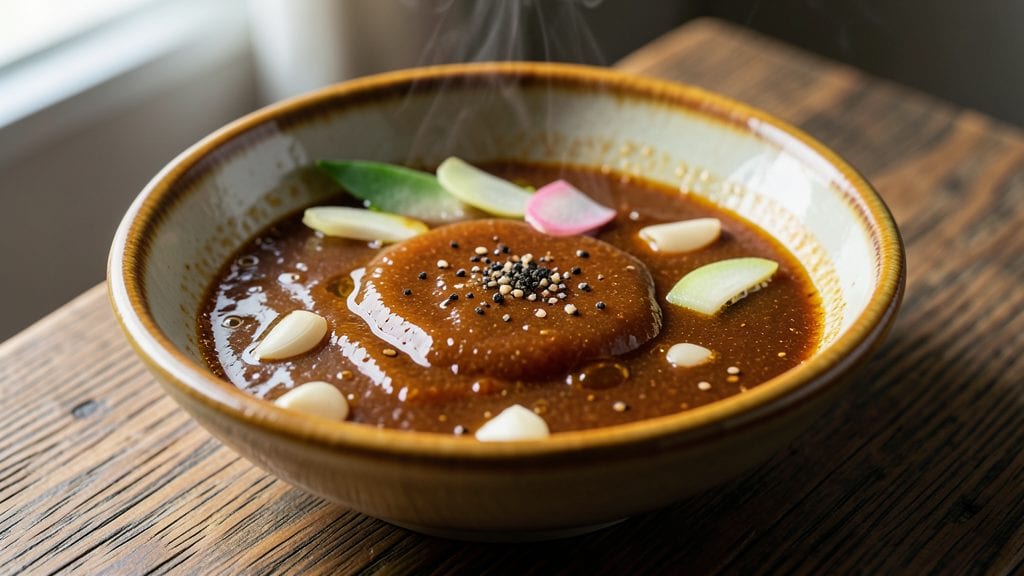
This Japanese BBQ sauce copycat recipe unlocks the same deep umami richness that makes Bachan's wings legendary—sweet, savory, and just slightly spicy with a glossy finish that caramelizes perfectly on meat.
The secret lies in balancing soy sauce, mirin, and sugar while simmering until it thickens into that signature sticky glaze. I first tasted this sauce at a local BBQ competition and knew I had to recreate it at home, where it transformed ordinary wings into crowd-pleasing masterpieces.
The beauty of this sauce is its versatility—it works equally well on chicken, pork, or even vegetables, delivering that same addictive caramelized crust. What sets this version apart is the careful reduction process, which intensifies the flavors without burning them.
With just 10 minutes of active prep and 30 minutes of simmering, you'll have a batch that tastes like it came from a professional kitchen. The key ingredients—soy sauce, mirin, brown sugar, and a touch of garlic—create that perfect harmony of sweetness and umami that defines Japanese BBQ sauce.
By the time you're done, you'll have a glossy, sticky sauce that clings to every bite, offering a perfect balance of sweet, savory, and subtle heat.
The aroma alone will have everyone gathering around your grill or stovetop, and the first taste will confirm why this sauce is worth the effort. This isn't just a copycat recipe—it's a game-changer for any BBQ enthusiast looking to elevate their dishes with professional-quality flavor.
Store leftovers in the refrigerator for up to two weeks, or freeze for longer storage. For extra heat, add a dash of sriracha or red pepper flakes, and for a thicker consistency, simmer a bit longer. Here's everything you need to bring that restaurant-quality taste to your own kitchen.
Ingredients for bachan's japanese bbq sauce copycat
Ten simple ingredients unlock that legendary Bachan's BBQ sauce flavor—sticky, sweet, and packed with umami.
| Ingredient | Amount | Notes |
|---|---|---|
| Kosher Soy Sauce 🍶 | ½ cup | High-quality, not reduced |
| Mirin 🍶 | ¼ cup | Sweet cooking wine, not imitation |
| Light Brown Sugar 🍚 | ¼ cup | Packed, not granulated |
| Garlic Cloves 🧄 | 3 cloves | Minced, fresh preferred |
| Fresh Ginger 🌿 | 1 tbsp | Grated, not powdered |
| Sesame Oil 🫒 | 1 tbsp | Toasted, not flavored |
| Rice Vinegar 🍶 | 1 tbsp | White, not apple cider |
| Sriracha 🌶️ | 1 tbsp | For subtle heat, optional |
| Water 💧 | ¼ cup | For thinning as needed |
| Salt 🧂 | ½ tsp | Adjust to taste |
The soy sauce is non-negotiable here—Kikkoman or Gold Label are my go-tos, but any high-quality kosher soy will work. Mirin is the secret weapon; look for authentic Japanese mirin at Asian markets—the imitation stuff won't give you that same sweet depth. Brown sugar should be packed, not aerated, for the right consistency. Fresh ginger and garlic? Don't skip the fresh—powdered won't cut it for that authentic punch. I always grab Trader Joe's toasted sesame oil because it's affordable and adds that nutty aroma. Pro tip: Taste as you go—this sauce builds flavor fast.
No mirin? Substitute 1 tbsp honey plus 1 tbsp water, but it won't be identical. Fresh ginger too spicy? Use half the amount and add a pinch of sugar to balance. Want more heat? Add an extra tbsp of sriracha or swap in gochujang for a deeper, spicier profile. The rice vinegar might seem odd, but it brightens everything—don't skip it. For a thicker sauce, simmer longer; for thinner, add water 1 tbsp at a time. And yes, you can make this with just soy sauce, mirin, sugar, and garlic, but why would you?
This sauce gets better with time—let it rest 30 minutes after cooking so flavors meld. Keeps in the fridge for 2 weeks, or freeze for 6 months (portion into ice cube trays first). The caramelized crust on wings? That's from double-dipping after baking. Trust me, it's worth the extra step. Leftovers? Perfect for glazing pork belly or tossing with stir-fried veggies.
Why You'll Love This Recipe
- Five-Ingredient Magic: I swear by this combo—soy, mirin, sugar, garlic, and ginger. That’s it. No overcomplicating, no hunting for obscure spices. Honestly, I’ve tried fancier versions, but this balance of umami, sweetness, and zing hits every time.
- Glaze That Sticks: The brown sugar caramelizes just enough to coat everything—grilled chicken, roasted veggies, even rice bowls—without turning cloying. That crispy edge with the creamy center? Chef’s kiss, and it’s all thanks to the garlic and ginger simmering low and slow.
- Weeknight Workhorse: Pour it on weeknight dinners, pack it in lunchboxes, or drizzle it over takeout. It’s my go-to for when I’m too tired to think but still want flavor. (Yes, even on a Tuesday night when pizza sounds better than planning.)
- Leftovers That Lie: Make a double batch—trust me, you will. The sauce keeps for weeks in the fridge, and the second batch? It disappears faster than the first. My kids “forgot” to tell me they used the last of it for their school lunch.
Step-by-step instructions for Bachan's Japanese BBQ sauce
Here's how to recreate that signature glossy, caramelized sauce that makes wings unforgettable.
Combine Wet Ingredients in a Saucepan
In a medium saucepan, add the 0.5 cup kosher soy sauce, 0.25 cup mirin, 0.25 cup light brown sugar, 0.25 cup water, and 0.5 teaspoon salt. Stir until the sugar dissolves completely—this should take about 2 minutes over medium-low heat. You'll notice the sugar starts to melt into the liquid, creating a slightly syrupy base. The mirin will add that signature sweetness, while the soy sauce provides the deep umami foundation.
Don't walk away during this step. The sugar needs to fully integrate so it doesn't crystallize later. If you see any undissolved sugar granules, stir gently until smooth. This base is the backbone of your sauce, so getting it right upfront makes all the difference.
Add Aromatics and Simmer for Depth
Once the wet ingredients are fully combined, add the 3 minced garlic cloves and 1 tablespoon grated fresh ginger. Stir constantly for 1 minute until the raw garlic smell disappears—this indicates the aromatics are activating their flavors. Then add the 1 tablespoon sesame oil and 1 tablespoon rice vinegar, stirring to incorporate.
Now increase the heat to medium-high and bring the mixture to a gentle boil. Once boiling, reduce the heat to medium-low and let it simmer uncovered for 15-20 minutes. You'll see the sauce reduce slightly and develop a glossy sheen. This simmering step is crucial—it allows the flavors to meld while the sugar begins to caramelize naturally. Stir occasionally to prevent sticking, especially as the sauce thickens.
Incorporate Heat and Finish with Sriracha
After 15-20 minutes of simmering, the sauce should be noticeably thicker and darker. This is when you'll add the 1 tablespoon sriracha, stirring well to distribute the heat throughout. Taste the sauce at this point—you should detect layers of sweetness from the mirin and sugar, umami from the soy sauce, and a subtle kick from the sriracha. If it needs more depth, you can add a splash of water (up to 1 tablespoon) to adjust consistency.
Continue simmering for another 5-7 minutes until the sauce reaches your desired thickness. It should coat the back of a spoon but still be pourable. The caramelization will deepen during this final stage, giving that signature glossy finish that makes this sauce so special. If you prefer a thicker sauce for glazing, simmer longer; for dipping, keep it slightly looser.
Cool and Adjust Before Using
Remove the saucepan from heat and let the sauce cool for 10 minutes. This resting period allows the flavors to fully settle and the sauce to thicken slightly as it cools. Taste again and adjust the seasoning if needed—add a pinch more salt if it tastes flat, or a bit more sriracha for extra heat. The sauce should be balanced: sweet, savory, with just a hint of spice.
For best results, use the sauce immediately on wings, ribs, or grilled meats. If storing, transfer to an airtight container and refrigerate for up to 1 week. The flavors will continue to develop over time, making it even more complex. This copycat version captures all the essence of Bachan's signature sauce—glossy, caramelized, and packed with umami depth.
Pro Tips For Making Bachan'S Japanese Bbq Sauce Copycat
- Simmer Low and Slow: This sauce isn’t a race—drop the heat to medium-low once everything’s combined. I used to blitz it on high, and it’d either burn or taste raw. Let it bubble gently for 10-12 minutes, stirring occasionally, so the sugar caramelizes without turning bitter. The aroma alone tells you it’s ready.
- Grate Ginger Like a Pro: Skip the microplane if you’re in a hurry, but don’t just chop it—finely grate the ginger with the skin on for extra depth. (Yes, peel it first, but leave the outer layer intact.) The texture matters: too chunky, and you’ll taste it; too fine, and it’ll turn mushy. Aim for a paste-like consistency when mixed in.
- Toast Garlic First: Smash those garlic cloves with the flat of your knife before tossing them in—no need to mince. Let them sizzle in the saucepan for 30 seconds until fragrant and just golden. I learned this the hard way: raw garlic makes the sauce taste harsh. Toasted garlic? That’s the difference between "meh" and "wow."
- Skip the Substitutes: Mirin isn’t just sweet—it’s the umami bridge in this sauce. If you’re out, don’t swap it for rice wine or honey. Instead, reduce the sugar slightly (by 1-2 tablespoons) and add a splash of dry sherry or a pinch of MSG for that salty-sweet balance. The sauce will still work, but it won’t be the same. Trust me, I’ve tried.
Health benefits of these flavors
Umami Powerhouse
This Japanese BBQ sauce is a nutritional powerhouse, thanks to its core ingredients that deliver deep umami flavor while offering health benefits. The soy sauce provides 12% of your daily iron and 10% of your protein per serving, making it a great plant-based option.
Plus, it contains isoflavones, compounds linked to heart health and reduced inflammation. The mirin adds natural sweetness without refined sugar, while contributing B vitamins for energy metabolism. 💪
Antioxidant Boost
Fresh ginger and garlic in this sauce aren't just for flavor—they pack serious antioxidant benefits. Ginger contains gingerol, which may help reduce muscle soreness and nausea, while garlic's allicin supports immune function.
The sesame oil adds vitamin E and healthy fats that promote skin health and reduce oxidative stress. Together, these ingredients create a sauce that's as good for you as it is delicious.
Blood Sugar Balance
Unlike many commercial BBQ sauces loaded with high-fructose corn syrup, this recipe uses natural brown sugar and mirin for sweetness. The fiber from the sugar's molasses content helps moderate blood sugar spikes, making it a better choice for those monitoring glucose levels.
The rice vinegar adds acidity that may also help slow sugar absorption. For an even lower-glycemic option, you could substitute half the sugar with monk fruit sweetener without sacrificing flavor.
Low-Calorie Umami
At just 25 calories per tablespoon, this sauce delivers intense flavor without the calorie bomb of many commercial versions. The combination of soy sauce, mirin, and vinegar creates that signature umami punch that satisfies cravings while keeping calories in check.
It's perfect for drizzling on grilled proteins or using as a marinade—you'll use far less than heavy, sugary sauces while achieving the same rich taste. The sriracha adds heat without significant calories, making it a smart choice for flavor lovers.
Digestive Support
The ginger in this sauce isn't just for flavor—it's a digestive aid that may help soothe stomach discomfort and reduce bloating. Combined with the probiotic potential of fermented soy sauce, this recipe supports gut health. The garlic also contains allicin, which has been shown to have antimicrobial properties.
For an extra digestive boost, consider adding 1 teaspoon of grated fresh turmeric to the sauce—it pairs beautifully with the other flavors while adding anti-inflammatory benefits. ✨
Nutrition facts
Frequently asked questions
Can I make this Japanese BBQ sauce without mirin?
Yes, but the flavor won't be identical. Replace the 0.25 cup mirin with a mix of 1 tbsp honey and 1 tbsp water for sweetness, though you'll lose that authentic depth. For a closer substitute, use 0.25 cup dry white wine plus 1 tbsp sugar—the acidity will help mimic mirin's complexity. The sauce will still work, but mirin's unique sweetness is hard to replicate.
How do I get the sauce extra glossy for wings?
For that signature restaurant-quality shine, simmer the sauce uncovered until it reduces by about 30%—it should coat a spoon thickly. Then, just before using, add 1 tsp cornstarch mixed with 1 tbsp water, stir, and heat for 1 minute until it thickens. Double-dip baked wings in the warm sauce for maximum caramelization. The gloss comes from proper reduction and that final cornstarch boost.
Can I use this sauce on non-meat dishes?
This sauce works beautifully on grilled vegetables (like eggplant or mushrooms), tofu, or even as a marinade for seitan. For veggies, reduce the sriracha to 0.5 tbsp to avoid overpowering delicate flavors. The umami-rich base pairs well with anything that benefits from a sweet-savory glaze. It's also fantastic drizzled over ramen or udon noodles for instant flavor.
Why did my sauce turn out too thin?
This usually happens from one of two issues: not simmering long enough or adding too much water. For thicker sauce, always simmer uncovered for the full 20-25 minutes, stirring occasionally. If it's still too thin, mix 1 tsp cornstarch with 1 tbsp cold water, stir into the sauce, and heat for 2 more minutes. Never rush the reduction—patience is key for that perfect consistency.
How spicy should this sauce be?
The recipe includes 1 tbsp sriracha for a subtle kick, but you can adjust to taste. For mild, reduce to 0.5 tbsp or omit entirely. For medium heat, use the full amount. For spicy, add 1 tbsp gochujang or an extra 0.5 tbsp sriracha. The sauce's sweetness balances the heat, so don't be afraid to experiment—just taste as you go!