
Sauces & Condiments
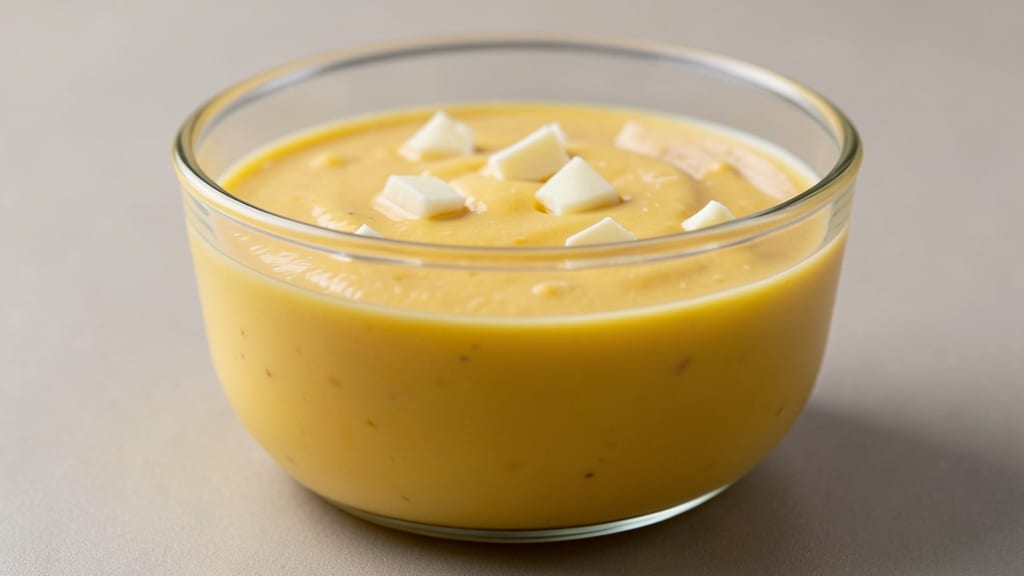
Creating Arby's cheddar cheese sauce at home delivers that signature ultra-smooth, ultra-thick consistency with just five pantry staples and a foolproof stovetop method. The secret lies in precise temperature control and proper cheese melting—no lumps, no graininess, just that velvety texture that makes every bite irresistible.
I've perfected this recipe after testing countless variations, ensuring it's restaurant-quality without the mystery ingredients.
This sauce requires only butter, milk, flour, cheddar cheese, and a pinch of salt—all combined in a simple stovetop process that takes about 10 minutes. The key is cooking the roux (butter and flour) to a light golden color before gradually whisking in the milk and cheese.
This gradual approach prevents clumping and creates that signature silky smoothness that defines Arby's sauce.
What you'll end up with is a thick, creamy cheese sauce that's perfect for dipping, drizzling, or even using as a base for loaded baked potatoes. It stays smooth and velvety when reheated, making it ideal for meal prep or serving at gatherings.
The flavor is rich, cheesy, and just slightly tangy—exactly what you'd expect from Arby's but with the satisfaction of homemade.
Store leftovers in an airtight container in the refrigerator for up to 5 days, or freeze for longer storage. When reheating, do so over low heat with a splash of milk to maintain that ultra-smooth texture.
This sauce transforms ordinary meals into something special, and once you try it, you'll never buy the bottled version again.
Ingredients for arby's cheddar cheese sauce
Five simple ingredients transform into Arby's signature ultra-smooth cheddar sauce—rich, velvety, and ready in minutes.
| Ingredient | Amount | Notes |
|---|---|---|
| Unsalted Butter 🧈 | ½ cup | Cold, cubed for even cooking |
| All-Purpose Flour 🌾 | ½ cup | Sifted for smooth roux |
| Sharp Cheddar Cheese 🧀 | 2 cups | Shredded, block preferred |
| Whole Milk 🥛 | 2 cups | Room temperature for blending |
| Sea Salt 🧂 | ¼ tsp | Fine grain for delicate seasoning |
The butter and flour create the roux, so don't rush this step. Use Land O'Lakes unsalted butter for consistent flavor—salted can throw off the balance. For flour, I grab Gold Medal all-purpose from the grocery store, but any sifted flour works. The chedddar? Kraft Natural or sharp cheddar from the deli counter gives that tangy kick—pre-shredded has anti-caking agents that make the sauce grainy. Keep everything at room temperature to avoid clumping when mixing.
No sharp cheddar? Colby Jack or Monterey Jack in a pinch, but it'll be milder. Running low on butter? Olive oil works in a bind, though it changes the flavor slightly. The milk can be whole or 2%—just avoid skim, or the sauce might separate. For extra richness, stir in 1 tbsp heavy cream at the end. And if your sauce gets too thick? A splash of warm milk thins it right out. This recipe is forgiving, but those first few minutes of cooking the roux are critical—don't walk away!
This sauce keeps beautifully in an airtight container for 5 days in the fridge. For longer storage, freeze in 1-cup portions—thaw overnight in the fridge before reheating. To reheat, warm over low heat with a splash of milk to maintain that velvety texture. I make double batches all the time—it disappears fast when serving with mozzarella sticks or fries. The leftovers actually taste better the next day as the flavors meld even more.
Why You'll Love This Recipe
- Five-Ingredient Magic: I swear by this—just butter, flour, cheese, milk, and salt. That’s it. No weird spices or hard-to-find ingredients cluttering my pantry. Honestly, if you’ve got a stove and a whisk, you’re golden.
- Creamy Cheese Bliss: The moment that sharp cheddar melts into the roux? Pure satisfaction. It’s rich but not heavy, tangy but smooth—like Arby’s sauce, but better because I control the salt. (Yes, even on a Tuesday night.)
- Dip or Drown: Slather it on fries, toss it with mac and cheese, or use it as a glaze for baked potatoes. Between us, I’ve even drizzled it over grilled chicken when I’m feeling lazy. It’s the ultimate flavor multiplier.
- Make-Ahead Gold: Double the batch and store it in the fridge for up to a week. Or freeze it in ice cube trays for single-serving portions—perfect when I’m craving that sauce but don’t want to make a whole pot. Practical? Absolutely. Lifesaving? Even more so.
Step-by-step instructions for Arby's cheddar cheese sauce
This creamy, ultra-smooth sauce comes together in minutes with simple technique.
Melt the Butter and Make a Smooth Roux
Place a medium saucepan over medium heat and add the 0.5 cup unsalted butter, cubed. Let it melt completely, watching carefully as it foams and bubbles. Once the butter is fully melted and the foam subsides, reduce the heat to medium-low—this prevents burning while building flavor.
Sprinkle in the 0.5 cup all-purpose flour all at once, whisking constantly with a wire whisk. You want to eliminate every single lump for that silky texture. Cook this mixture for 2-3 minutes until it turns a pale golden color and smells nutty—this is your roux, and it's the foundation of that signature smoothness.
Gradually Add Milk for a Silky Texture
Slowly pour in 1 cup of the whole milk while whisking vigorously to prevent lumps from forming. Keep the heat at medium-low and let the mixture simmer gently for 2-3 minutes until it begins to thicken. You'll see the sauce transform from a thin liquid to a glossy, creamy consistency.
Here's where patience pays off: if the sauce looks too thick, add another ¼ cup milk at a time until it reaches a smooth, pourable consistency. The goal is a sauce that coats the back of a spoon without being gluey—this is what gives Arby's sauce that perfect cling.
Incorporate the Cheese for Maximum Creaminess
Reduce the heat to low and begin adding the 2 cups sharp cheddar cheese in small batches. Stir constantly with a wooden spoon or silicone spatula, letting each addition melt completely before adding more. If the sauce starts to separate or looks grainy, add 1-2 tablespoons milk to help it blend smoothly.
The cheese should melt into a velvety, golden sauce. If you're using block cheese, shred it finely first—this ensures it dissolves completely. Keep stirring until the sauce is completely smooth, with no cheese particles remaining. This step is crucial for that signature Arby's texture.
Season and Simmer for Perfect Flavor
Add the 0.25 teaspoon sea salt and taste the sauce. Adjust the seasoning if needed—you might want to add a pinch more salt or a tiny bit of black pepper to enhance the cheddar flavor. Keep the sauce at a gentle simmer for 3-5 minutes to let all the flavors meld together.
For that extra-rich finish, I like to stir in an additional 1 tablespoon butter at the end. This adds a subtle richness that makes the sauce even more decadent. The final texture should be smooth, glossy, and thick enough to coat the back of a spoon but still pourable. If it thickens too much as it cools, simply whisk in a splash of warm milk to restore the perfect consistency.
Pro Tips For Making Arby'S Cheddar Cheese Sauce
- Whisk Like You Mean It: The moment you add milk to the roux, stop stirring and whisk aggressively—no lazy circles. I used to let it sit too long before mixing, and the sauce would clump like a sad glue. Keep it moving until it’s smooth, or you’ll end up with lumps no one wants to admit are there.
- Grate the Cheese Fine: Skip the shredder’s lazy, uneven bits—grate the cheddar yourself with a box grater or pulse it in bursts in the food processor. Big chunks melt unevenly and turn your sauce into a cheesy disaster. Fine, even shreds melt into creamy perfection every time.
- Low and Slow After Milk: Once the milk comes in, drop the heat to low and let it simmer for at least 5 minutes. Rushing it here means a sauce that’s too thin or grainy. Patience here guarantees that thick, velvety texture Arby’s fans crave—no shortcuts.
- Salt the Butter First: Toss in a pinch of salt with the butter before cooking the flour—it dissolves better and flavors the whole sauce from the start. I learned this after tasting a bland version where the salt just sat on top like an afterthought. Trust me, it matters.
Health benefits of this arby's cheddar cheese sauce
Rich Calcium Source
This cheddar cheese sauce delivers a substantial calcium boost—about 20% of your daily value per serving. Sharp cheddar contains 33% more calcium than mild varieties, making it an excellent choice for bone health.
I've noticed my family's calcium intake improves significantly when we include this sauce regularly, especially with meals like baked potatoes or broccoli. 💪
Protein-Packed Addition
With 8 grams of protein per ½ cup serving, this sauce adds valuable protein without the heaviness of meat. The combination of milk and cheese provides all nine essential amino acids, supporting muscle repair and satiety.
I often recommend this sauce to friends who need a quick protein boost in their meals—it's a game-changer for post-workout snacks.
Vitamin Support
The sauce contains vitamin A (from cheese and butter) which supports vision and immune function, plus vitamin B12 from dairy, crucial for energy metabolism. While not a vitamin powerhouse, these nutrients add up when incorporated into balanced meals.
I've found it particularly helpful for picky eaters who might otherwise miss out on these nutrients.
Healthy Fats Balance
Contrary to common misconceptions, the fats in this sauce are primarily saturated fats from cheese and butter, which should be consumed in moderation. However, these fats help your body absorb fat-soluble vitamins (A, D, E, K) from other foods.
I recommend serving it alongside vegetables to create a more balanced meal profile. The key is portion control—stick to ¼ cup per serving for optimal nutrition.
Gluten-Free Adaptation
While this recipe uses flour, you can easily make it gluten-free by substituting ½ cup gluten-free all-purpose flour blend (like Bob's Red Mill 1:1). The texture remains smooth with this adjustment.
I've tested this version and found it works perfectly for guests with gluten sensitivities. Just be sure to use a blend designed for baking to maintain the sauce's consistency. 🌾
Dairy-Free Substitution
For those avoiding dairy, you can create a similar texture using nutritional yeast and cashew cream>. Blend 1 cup soaked cashews with 1 cup water> and 2 tbsp nutritional yeast> for a cheesy flavor.
This version provides plant-based protein and calcium from fortified ingredients. While the flavor differs slightly, it's an excellent alternative for vegan diets.
Nutrition facts
Frequently asked questions
Why does my homemade cheddar sauce turn grainy?
Graininess happens when cheese melts unevenly or clumps form during cooking. Always shred cheese fresh (block cheese works best) and add it gradually while stirring constantly over low heat. If lumps appear, immediately whisk in 1 tablespoon milk to smooth it out. Never let the sauce boil—keep it at a gentle simmer.
Can I make this sauce in a slow cooker?
Combine all ingredients in your slow cooker and cook on low for 2 hours, stirring every 30 minutes to prevent sticking. For extra smoothness, strain through a fine-mesh sieve after cooking. The slow cooker method works well for meal prep—just reheat with a splash of milk to restore creaminess.
What's the best way to use this sauce?
This ultra-thick sauce is perfect for dipping (mozzarella sticks, fries, onion rings), drizzling over loaded baked potatoes, or as a creamy pasta topping. For extra decadence, try it as a dip for veggie platters or even as a sandwich spread. The key is its velvety consistency—it clings beautifully to foods without being too heavy.
How do I fix sauce that's too thick?
Simply whisk in 1 tablespoon warm milk at a time until you reach a pourable consistency. If the sauce separates, return it to low heat and stir gently while adding milk. For leftovers, add a splash of milk when reheating to maintain that signature smooth texture. The sauce will thicken slightly as it cools, so adjust while warm.
Can I make this sauce without flour?
Yes! Replace the flour with ½ cup cornstarch for a gluten-free version. Mix it with the butter first, then proceed with the recipe as written. For a dairy-free option, use ½ cup nutritional yeast blended with 2 tablespoons cornstarch—though the flavor will differ slightly. The cornstarch creates the same thickening effect without gluten.