Sauces & Condiments
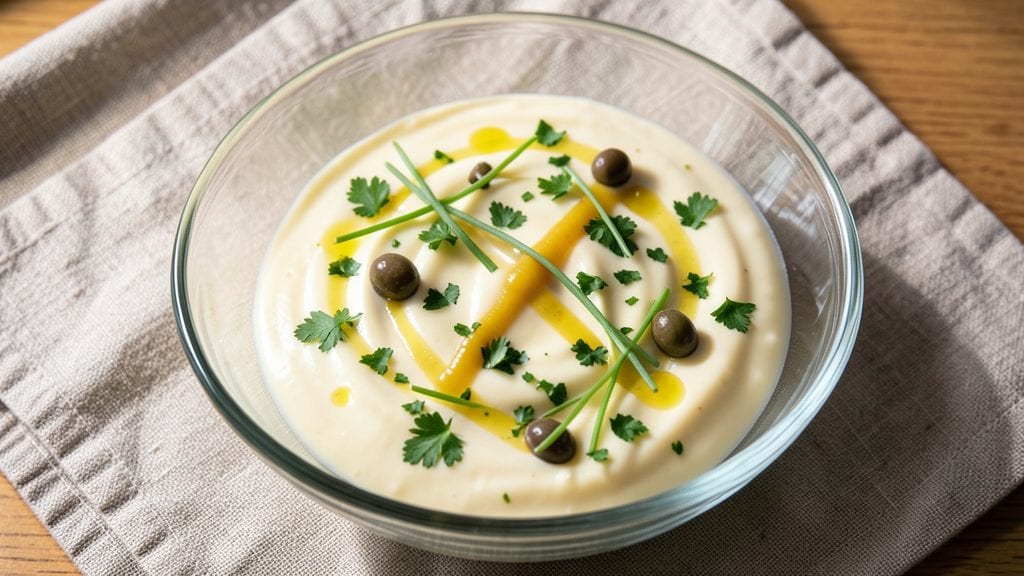
This tartar sauce recipe without pickles delivers the same bold, herby flavor you love—just with a fresh twist using capers and lemon for brightness. The secret lies in balancing creamy mayo with finely chopped parsley, chives, and a touch of Dijon mustard for depth.
I developed this version after realizing how often pickles were omitted in restaurant tartar sauces, and it’s become my go-to for crab cakes, fish, and even veggie dips.
The texture is smooth yet rich, with capers adding a briny punch instead of pickles. This recipe requires just 5 minutes of prep and keeps well in the fridge for up to 5 days, making it perfect for meal prep.
The herbs stay vibrant, and the sauce remains creamy without separating—no fancy equipment needed.
What you’ll end up with is a sauce that’s tangy, herby, and perfectly balanced—ideal for elevating seafood dishes or even as a dip for fries. The lemon brightens the flavors, while the capers provide that signature tartar bite.
This version works just as well as traditional recipes but with a cleaner, more versatile profile.
Use it immediately or store it for later—either way, your seafood will taste restaurant-quality. Here’s how to make it perfectly every time.
Ingredients for tartar sauce recipe without pickles
Seven simple ingredients transform into restaurant-style tartar sauce—herby, tangy, and perfectly balanced.
| Ingredient | Amount | Notes |
|---|---|---|
| Mayonnaise 🥛 | ¾ cup | High-quality, full-fat preferred |
| Fresh Parsley Leaves 🌿 | ¼ cup | Finely chopped, stems removed |
| Fresh Chives 🌱 | 2 tbsp | Finely chopped, mild onion flavor |
| Capers 🍈 | 2 tbsp | Chopped, brine-drained |
| Dijon Mustard 🍯 | 1 tbsp | Mild or strong, not yellow mustard |
| Lemon Juice 🍋 | 1 tbsp | Freshly squeezed, bright flavor |
| Extra-Virgin Olive Oil 🫒 | 1 tsp | Light drizzle, fruity variety |
| Sea Salt 🧂 | ½ tsp | Fine grain, adjust to taste |
| Black Pepper 🌶️ | ¼ tsp | Freshly ground, mild heat |
The mayo is the base, so grab the full-fat kind—light mayo makes this sauce thin and sad. Duke's or Hellmann's are my go-to brands, but any high-quality mayo works. Fresh herbs are key here: parsley for brightness, chives for that mild onion kick. Buy them in small bunches—they wilt fast, and you don’t need much. Capers are the star substitute for pickles, so don’t skip them. Look for non-pasteurized capers in the brine section—they’ve got more flavor. If you can’t find them, green olives chopped fine work in a pinch, but they’re not the same.
No Dijon? Whole-grain mustard at half the amount works, but it’ll be less smooth. Short on chives? Green onion tops or extra parsley add a similar freshness. The lemon juice can be bottled, but freshly squeezed is worth it—it brightens everything. Olive oil here is just a finishing touch, so don’t stress the brand. If you’re making this ahead, add the lemon juice last—it keeps the herbs vibrant longer. For extra tang, add a pinch of citric acid (found in baking aisles), but it’s optional.
This sauce keeps beautifully—5 days in the fridge if you store it in an airtight jar with a thin layer of olive oil on top. The herbs stay bright, and the texture stays creamy. Portion it into small containers for easy dipping—it’s perfect for crab cakes, fish, or even veggie platters. Freezes for 3 months too, though the texture gets slightly grainier after thawing. Always bring it to room temp before serving—it tastes best when it’s creamy, not cold.
Why You'll Love This Recipe
- Five-Ingredient Magic: I swear, this sauce comes together with just mayo, fresh herbs, capers, mustard, and a pulse of my food processor. No peeling, dicing, or fussing—just chop the parsley and chives, toss them in, and let the machine do the work.
- Bright & Tangy: That briny punch from the capers and zesty kick from Dijon mustard cuts through the richness of the mayo. The parsley and chives add a freshness that makes it taste like it belongs on a fancy plate—even if I’m just slathering it on fish sticks for my kids.
- Game for Any Meal: It’s my go-to for fish tacos, but it also elevates grilled chicken, veggie platters, or even a simple sandwich. Honestly, I’ve used it as a dip for fries when I’m lazy, and no one’s ever questioned me.
- Leftovers That Don’t Let You Down: This sauce keeps for days in the fridge, and the flavor only gets better as the capers mellow out. I’ll make a big batch on Sunday, and by Wednesday, it’s still the star of whatever I’m serving—no sad, wilted dips here.
Instructions for tartar sauce without pickles
This herb-infused version delivers bright, fresh flavors perfect for seafood dishes.
Finely Chop the Fresh Herbs
In a small mixing bowl, combine the 0.25 cup fresh parsley leaves and 2 tablespoons fresh chives. Use a sharp chef's knife to chop them as finely as possible—you want tiny, almost paste-like pieces that will blend seamlessly into the sauce. I like to stack the herbs and press down firmly with the knife for even chopping. The smaller the pieces, the smoother your final sauce will be.
Set the chopped herbs aside while you prepare the remaining ingredients. This step ensures the herbs distribute evenly throughout the sauce, giving you that fresh, herby brightness without any texture surprises.
Mix the Base Ingredients
In a medium bowl, combine the 0.75 cup mayonnaise, 1 tablespoon Dijon mustard, 1 tablespoon lemon juice, and 1 teaspoon extra-virgin olive oil. Use a sturdy whisk or rubber spatula to mix until completely smooth. The mayonnaise should look uniform with no streaks of mustard or oil remaining.
This base creates the creamy foundation of your sauce. The Dijon mustard adds depth while the lemon juice brightens the flavors. The olive oil helps balance the richness of the mayonnaise—don't skip this step, as it prevents the sauce from becoming too heavy.
Fold in Capers and Seasonings
Add the 2 tablespoons chopped capers, 0.5 teaspoon sea salt, and 0.25 teaspoon black pepper to the bowl. Using your spatula, gently fold everything together until fully incorporated. You want to maintain the creamy texture while evenly distributing the capers and seasonings.
Taste the mixture and adjust the seasoning if needed. If it needs more brightness, add a little more lemon juice. If it needs more salt, add it gradually—you can always add more but can't remove excess. The capers should be evenly distributed but still visible, adding their briny punch without overpowering.
Add the Chopped Herbs
Finally, fold in the finely chopped parsley and chives using your spatula. Mix gently but thoroughly until the herbs are completely distributed throughout the sauce. The mixture should look uniform with no visible herb clumps.
For the smoothest texture, I recommend pressing the herbs through a fine-mesh strainer if you have one. This ensures no herb pieces remain, giving you a velvety sauce perfect for drizzling or dipping. Cover the bowl and refrigerate for at least 30 minutes before serving to let the flavors meld completely.
Adjust Consistency and Serve
Before serving, check the consistency of your tartar sauce. If it's too thick, add 1 teaspoon of cold water at a time, mixing well after each addition until you reach your desired consistency. If it's too thin, you can thicken it slightly by adding 1 teaspoon of mayonnaise and mixing again.
This sauce tastes best when served fresh, so prepare it just before serving. Spread it on toasted bread, drizzle over grilled fish, or serve as a dip for crispy seafood bites. The bright lemon, fresh herbs, and briny capers make this a perfect companion for any seafood dish.
Pro Tips For Making Tartar Sauce Recipe Without Pickles
- Chill the Capers First: Those brine-soaked capers taste like swimming pool water straight from the jar. Drain them, toss in a handful of ice cubes for 10 minutes, then rinse under cold water—this cuts the saltiness and makes them pop. I learned this the hard way after serving sauce that tasted like a fishy brine bomb.
- Pulse the Herbs Fine: Don’t just chop parsley and chives roughly—give them a quick pulse in a mini food processor or blender with a splash of mayo first. This breaks down the fibers so they blend smoothly instead of clumping like confetti. (Yes, even if you’re impatient like me.)
- Temper the Mustard Slowly: Stir the Dijon into the mayo gradually, a teaspoon at a time, while mixing vigorously. Dumping it all in at once can curdle the sauce faster than you can say "fish tacos." If it starts to thicken or separate, add a tiny splash of ice water to bring it back together.
- Use Room-Temp Mayo: Cold mayo from the fridge mixes stiff and can turn your sauce into a gloopy mess. Let the jar sit in warm water for 5 minutes first—just enough to loosen it up. This isn’t the prettiest method, but it works every time, and your sauce will be silky, not lumpy.
Pro cooking tips for great tartar sauce recipe without pickles
Herb Chopping Technique
For the smoothest tartar sauce, chop your parsley and chives as finely as possible—think almost paste-like consistency. I use a sharp chef’s knife and press down firmly with the heel of my hand to create even, tiny pieces.
This eliminates any texture surprises and ensures the herbs blend seamlessly into the creamy base. 🌿
Mayo Quality Matters
Never skimp on the mayo—this is your sauce’s foundation. I always use full-fat brands like Duke’s or Hellmann’s because light mayo creates a thin, watery sauce. If you’re concerned about calories, opt for avocado oil mayo (like Primal Kitchen) for a lighter but still creamy texture.
The fat content keeps the sauce rich and stable.
Caper Prep Tricks
Drain your capers thoroughly before chopping to avoid excess moisture. I like to rinse them quickly under cold water, then pat dry with a paper towel. For extra briny flavor, use non-pasteurized capers from the Mediterranean section of your grocery store.
If you can’t find them, finely chopped green olives work in a pinch, though they add a slightly different texture.
Emulsification Secret
When combining mayo with Dijon and lemon, mix gently with a rubber spatula to avoid breaking the emulsion. If the sauce starts to separate, add 1 teaspoon of lemon juice at a time while whisking vigorously.
The acidity helps re-emulsify the ingredients. This trick saves any separated sauce—just whisk it back together before serving. 💡
Herb Straining Hack
For an ultra-smooth sauce, press the chopped herbs through a fine-mesh strainer before folding them in. This removes any remaining herb stems and creates a silky texture. If you don’t have a strainer, blend the herbs with 1 tablespoon of water first, then strain through a cheesecloth.
The result is a velvety sauce perfect for drizzling over delicate seafood.
Flavor Development Time
Let your tartar sauce rest in the fridge for at least 30 minutes before serving. This allows the flavors to meld completely and the herbs to release their full aroma.
I often make it 1-2 hours ahead of time—it tastes even better after resting. The capers and lemon brighten as they chill, making each bite more vibrant. ⏰
Nutrition facts
Frequently asked questions
Can I make this tartar sauce without capers?
Yes! If you don't have capers, try 2 tablespoons finely chopped green olives for a similar briny flavor. For a milder option, use 1 tablespoon chopped cornichons or dill pickles (even though this recipe skips pickles, a tiny amount won't ruin it). You could also add 1/2 teaspoon fish sauce for umami depth, though it's more subtle.
Why does my tartar sauce turn watery?
Watery sauce usually means too much lemon juice or thin mayo. Use full-fat mayo and measure carefully—1 tablespoon lemon juice is plenty. If it separates, whisk in 1 teaspoon Dijon mustard or 1/2 teaspoon cornstarch mixed with cold water to thicken. Always chill the sauce before serving—cold ingredients emulsify better.
What's the best way to store leftover tartar sauce?
Store in an airtight container with a thin layer of olive oil on top to preserve freshness. It keeps 5 days in the fridge or 3 months in the freezer. For smoothest texture after freezing, thaw overnight in the fridge. Add a splash of lemon juice when reheating to revive flavors. The herbs stay brightest when stored this way.
Can I use this sauce for non-seafood dishes?
This versatile sauce works perfectly with grilled chicken, veggie platters, or even as a dip for fries or onion rings. The herby brightness pairs well with anything crispy or protein-rich. For a vegan version, swap mayo for vegan mayo and add 1/2 teaspoon nutritional yeast for depth.
How do I make this sauce thicker or thinner?
For thicker sauce, add 1 teaspoon mayo at a time. For thinner sauce, mix in 1 teaspoon cold water or lemon juice gradually. The ideal consistency should be spoonable but pourable—like thick yogurt. If using store-bought mayo, brands with higher fat content (like Hellmann's) naturally yield thicker results.